
Norway is a country where a slab of rock hangs 600 metres above a fjord and nobody has thought to put a fence round the edge. The trails are waymarked, the huts are open and you can pitch a tent almost anywhere — but in return the country expects you to look after yourself. The locals have a saying: «Det finnes ikke dårlig vær, bare dårlige klær» — “There is no bad weather, only bad clothing.” Translated into kit-speak, it means one thing: rain, wind and cold in July are not an emergency, they are the brief. Solve it at home, and all that is left in the mountains is the view (and, admittedly, more rain).
🗺️ The iconic routes: what to pick and how long it takes
Norway’s most famous trails are day hikes. You do them with a light rucksack, but “day hike” here does not mean “stroll”: on Trolltunga you will be on your feet for 10–12 hours, and on Kjerag you will be hauling yourself up chains like an extra in an adventure film. The figures below come from the official tourism portals; ascent and timings vary with the starting point and with how many photos you take.
| Route | Round trip | Ascent / time | Character |
|---|---|---|---|
| Preikestolen (Pulpit Rock), Lysefjord | ≈8 km | ≈500 m / ≈4 h | Moderate, a rocky path with steep sections. The plateau sits 604 m above the fjord. Very, very popular |
| Kjerag and the Kjeragbolten boulder | ≈11–12 km | 750–800 m / 6–10 h | Demanding: several steep climbs with chains, slippery in the rain. The boulder is wedged in a crevice roughly 1,000 m above the fjord |
| Trolltunga (Troll’s Tongue), Hardanger | 27 km from car park P2 / 20 km from P3 | ≈800 m / 10–12 h (from P3: ≈320 m / 7–10 h) | Long and gruelling. The “tongue” itself is ≈700 m above Lake Ringedalsvatnet. The real danger is the walk back |
| Besseggen, Jotunheimen | ≈14 km (one way — the boat takes you to the start) | ≈1,000–1,100 m / 6–8 h | A narrow, windy ridge between two lakes. No climbing kit needed, but mountain-trail experience is |
| Reinebringen, Lofoten | ≈2 km | up to ≈450 m (sources differ: 448–484 m) / 1–2 h | Nearly 2,000 stone steps (1,974 as of January 2024) up a steep slope. Short, but your thighs will file a complaint |
| Ryten and Kvalvika beach, Lofoten | ≈7 km | up to 543 m / 3–4 h | A relatively easy route with a view of a wild beach; you can camp on Kvalvika |
For a multi-day trek, head for Jotunheimen or the Hardangervidda plateau: the DNT huts there are a day’s walk apart and the waymarked trails run for hundreds of kilometres.
📅 Season, midnight sun and “weather as it comes”
The trekking season in the mountains runs from late June to mid-September. Preikestolen and Kjerag open earlier, from May (the road to the Kjerag trailhead is usually cleared in mid-May), but in Jotunheimen snow can sit on the Besseggen ridge until mid-June, and the boats on Lake Gjende run regularly only from mid-June. June in the high mountains means snow patches and meltwater on the trails; September brings the first frosts.
| Period | What to expect | Bear in mind |
|---|---|---|
| May – mid-June | The fjords are green, the tops are still white | High trails and huts are still closed; take care on snow patches |
| Late June – August | Peak season, the longest days | Queues on Preikestolen and Reinebringen, mosquitoes and midges; book huts and boats in advance |
| September | Fewer people, autumn colours | Short days, cold nights, some huts close; on Trolltunga, start even earlier |
In summer, Lofoten has the midnight sun: around Kvalvika the sun does not set from roughly 27 May to 17 July. It sounds romantic; in practice it means your watch stops being a hint that it is bedtime, and your tent becomes a brightly lit conservatory. A sleep mask weighs 10 grams and saves marriages. In the south the sun does set in summer, but the nights stay light — which does not excuse you from packing a head torch in August and September.
Weather in the west is, above all, water. Bergen gets around 200 days of proper rain a year and an average of almost 2,500 mm of precipitation — the city treats an umbrella the way other places treat a front door key. In the mountains, add wind: on an open plateau a strong wind makes +10 °C feel like +4 or +5, and colder still in wet clothes. Check the forecast on yr.no, and do not be shy about moving your route by a day — the Norwegians do it all the time and they have had longer to practise.
🌧️ The shell layer: jacket and trousers are not optional
If there is one thing on this list worth buying with quality to spare, it is the waterproof. Norwegian rain comes sideways, stays for a long time and brings the wind along as a plus-one, so:
- Jacket — taped seams, an adjustable hood that turns with your head, and pit zips. A three-layer membrane will survive rucksack straps and rock better than a light 2.5-layer one.
- Waterproof trousers — compulsory. Side zips let you pull them on over your boots when the cloud is already sitting on your head.
- A poncho on a windy ridge becomes a sail — keep it for camp, unless you fancy an unscheduled paragliding lesson.
-
 8 970 UAH
-
 11 700 UAH
-
 19 458 UAH
-
 13 248 UAH
-
 8 995 UAH
-
 6 210 UAH
-
 2 898 UAH
-
 5 428 UAH
-
 4 720 UAH
-
 9 200 UAH
-
 6 508 UAH
🏕️ Where to sleep: the right to roam and DNT huts
Allemannsretten — Norway’s “everyman’s right” — lets you walk and pitch a tent on uncultivated land almost anywhere: in forests, in the mountains, by the water. The rules are simple, but learn them by heart:
- pitch at least 150 m from an inhabited house or holiday cabin;
- no more than two nights in one spot without the landowner’s permission (longer is fine in the mountains and remote areas);
- no camping on cultivated land — meadows, hayfields, crops;
- campfires in forests and other open country are banned from 15 April to 15 September, except where a fire clearly cannot spread (by the sea, for example, or at a designated fire pit in damp weather). Local authorities may add their own bans, and in a serious drought even barbecues and stoves may be banned;
- take all your rubbish home, toilet paper included. Yes, really.
The alternative to a tent is the DNT huts (Norwegian Trekking Association): there are around 550 of them across the country. They come in three flavours: staffed lodges (breakfast and dinner, usually open from late June to early September), self-service huts stocked with provisions, and basic no-service huts without food. Some huts are locked with the standard DNT key, which members borrow against a deposit. At self-service huts you pay through the DNT Hyttebetaling app. Members get discounts on beds and meals and priority for bunks when a hut is full. DNT summer trails are marked with a red letter “T” painted on rocks and cairns — about 20,000 km of them, which is a lot of red paint.
🎒 How not to go broke: a tent, your own food and the right rucksack
Norway is one of the most expensive countries in Europe — a coffee and a cinnamon bun can feel like a down payment. Hiking-style travel is the best way to save. The three big costs are accommodation, food and transport, and you can handle the first two yourself: a tent instead of hotels and your own food instead of cafés. Bring freeze-dried meals and snacks from home; buy bread, cheese and grains in local supermarkets.
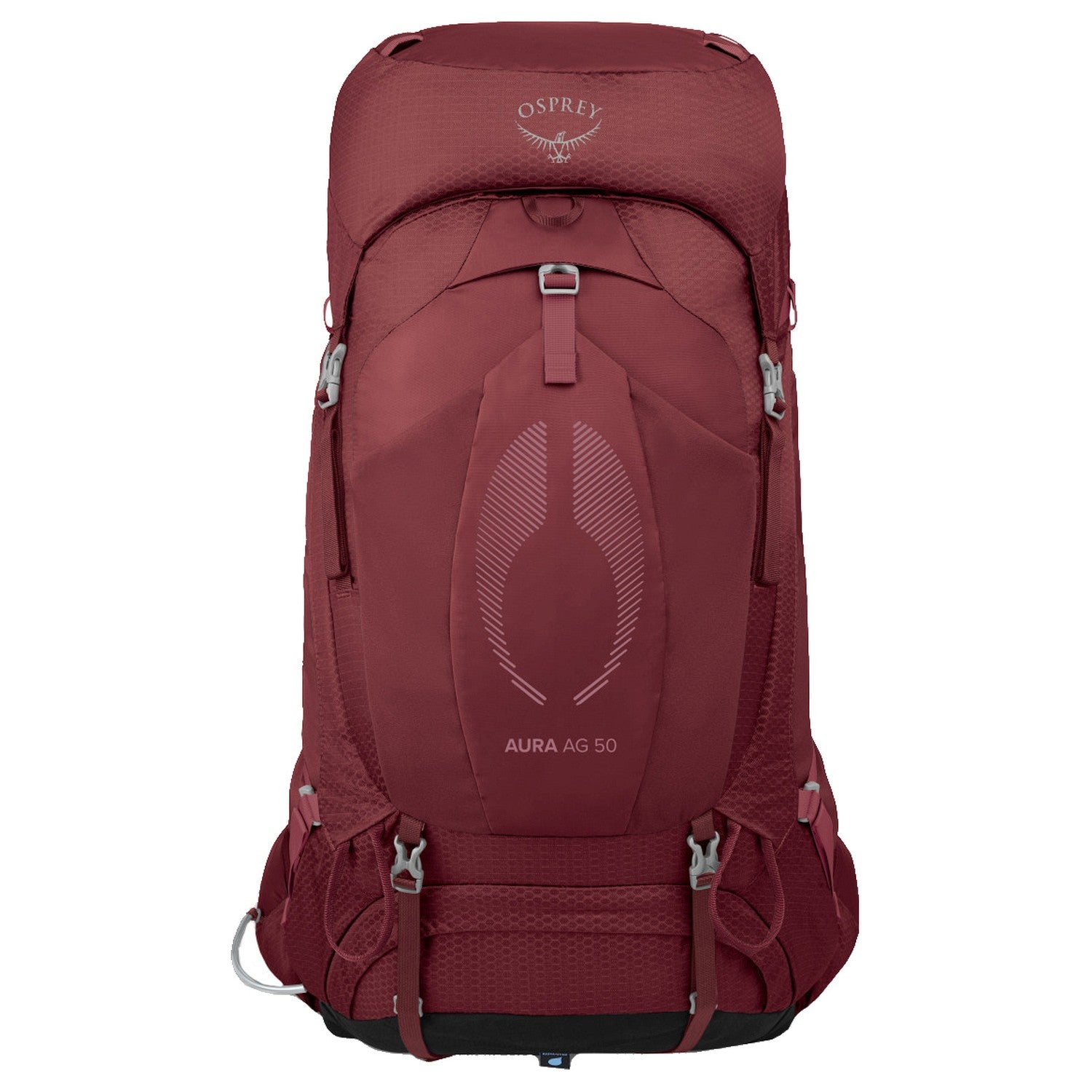
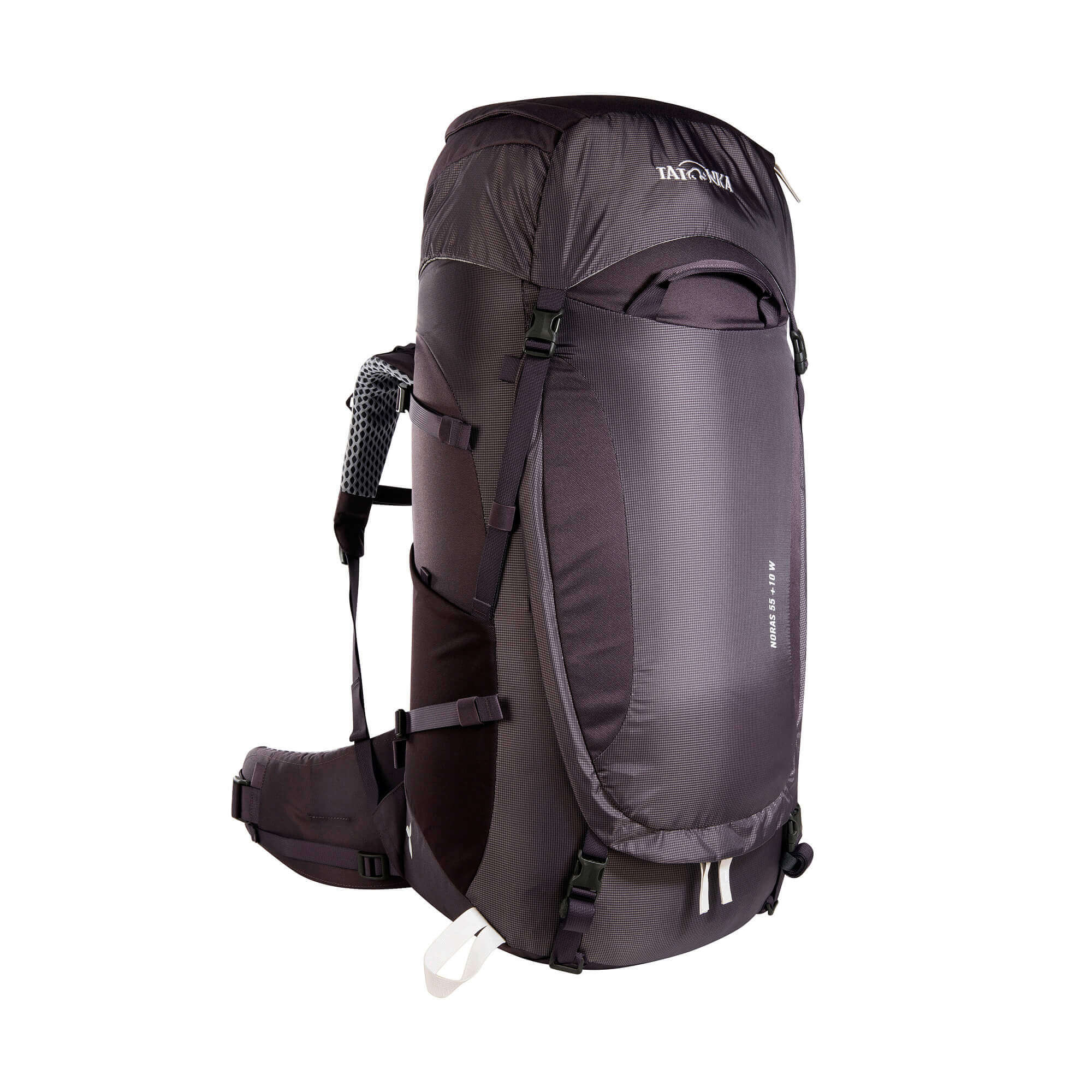
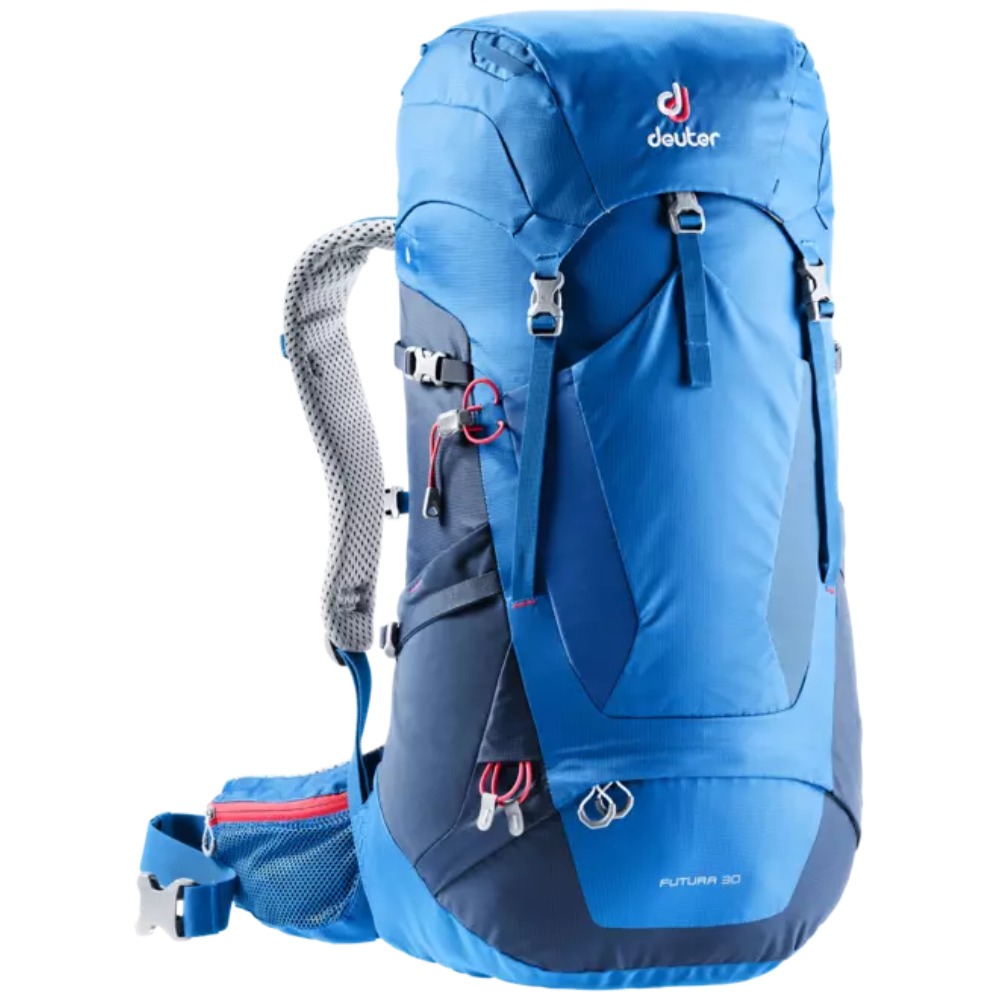
You will want two rucksacks. For a multi-day trip with a tent — 55–70 litres with a rigid frame and a broad hip belt. For day routes like Trolltunga — 25–35 litres: enough for a full waterproof set, an insulating layer, food for 12 hours, 2 litres of water and a first-aid kit. Thirty litres on Trolltunga is not paranoia, it is the norm.
-
 17 750 UAH
-
 16 750 UAH
-
 11 440 UAH
-
 10 400 UAH
-
 18 032 UAH
-
 8 970 UAH
-
 15 226 UAH
-
 8 799 UAH
-
 6 003 UAH
-
 8 832 UAH
-
 7 360 UAH
-
 9 828 UAH
🧥 Clothing: wool, layers and the Scandinavian school
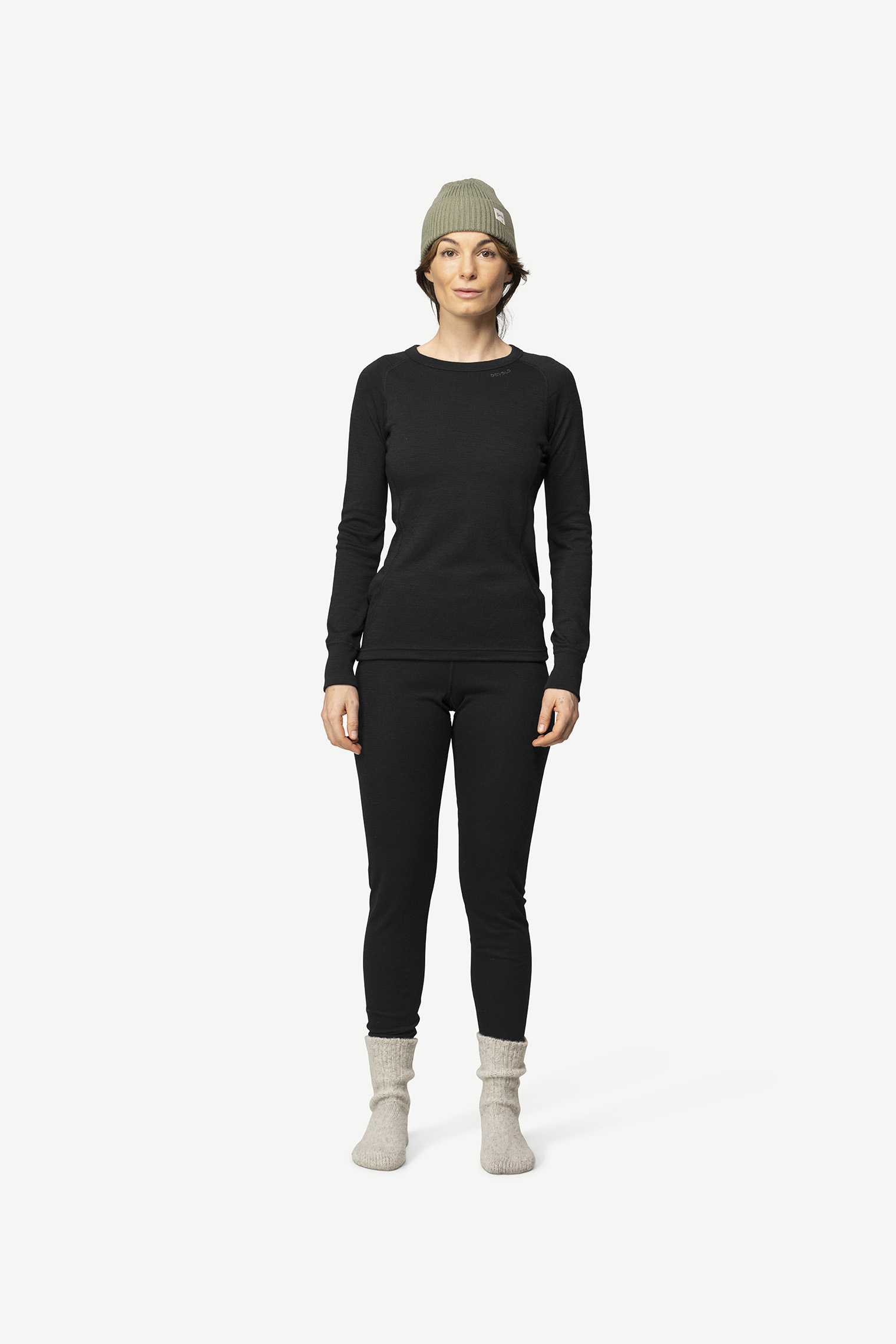
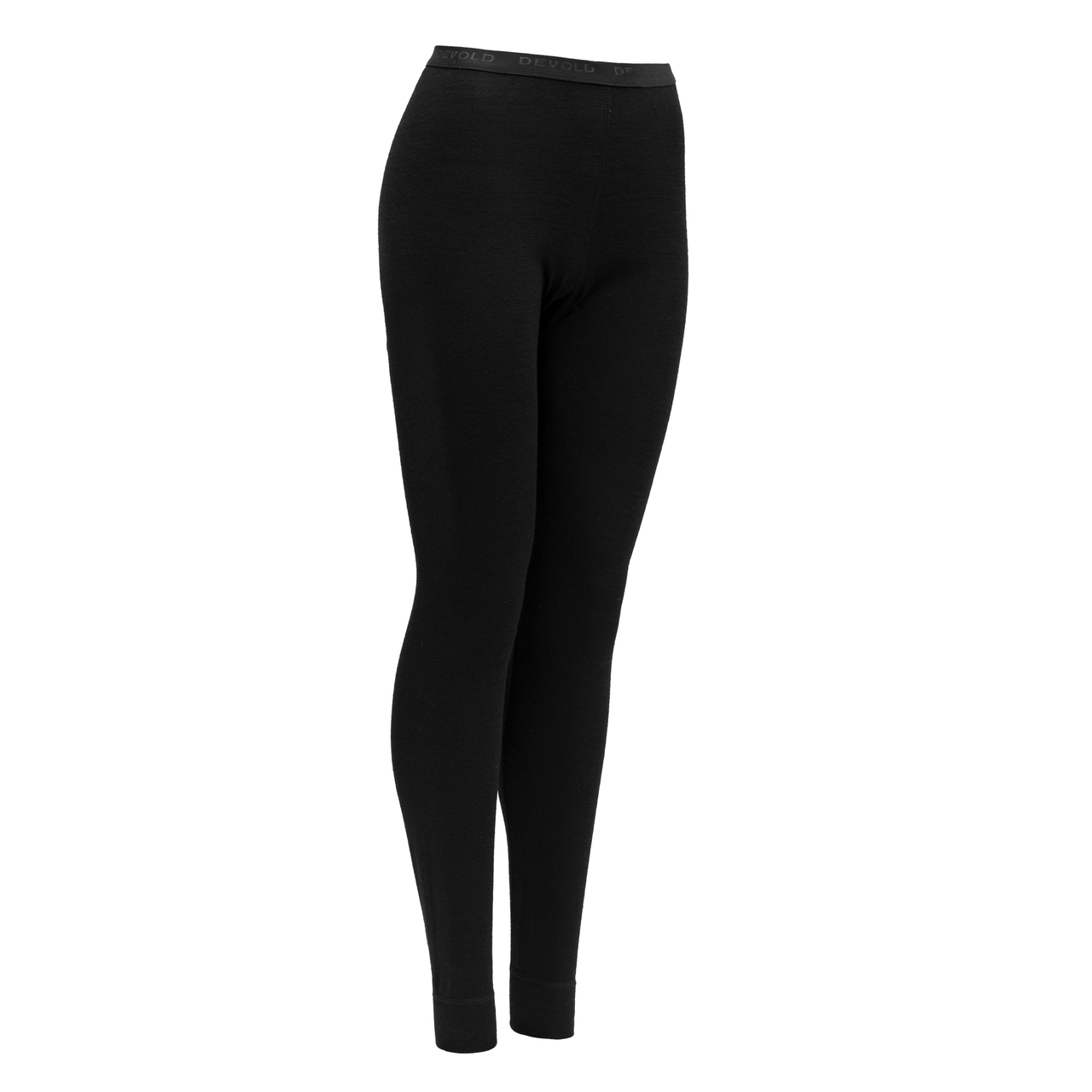
Scandinavians wear wool not out of nostalgia but because wool keeps you warm even when damp and does not start to smell on day three — a quality your tent-mate will appreciate. The ideal base for Norway is a mid-weight merino layer: not too hot by day, not too cold in the evening. It is no accident that Norway’s Devold and Sweden’s Woolpower sit side by side on the shelf — brands from places where “a cool summer” is an official climate category.
- Base layer — a long-sleeved merino top and leggings.
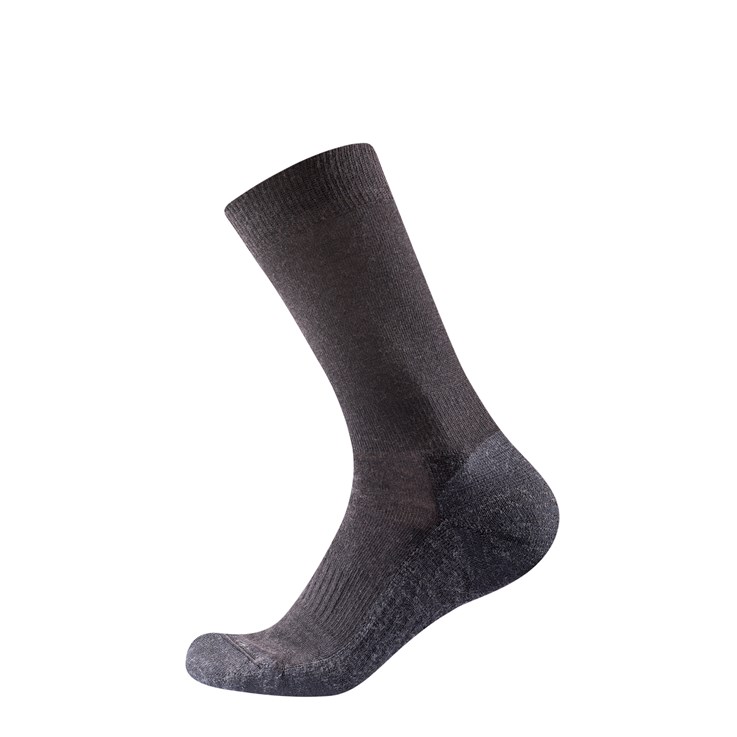
- Socks — with wool, at least three pairs: one on your feet, one drying, one kept dry for camp.
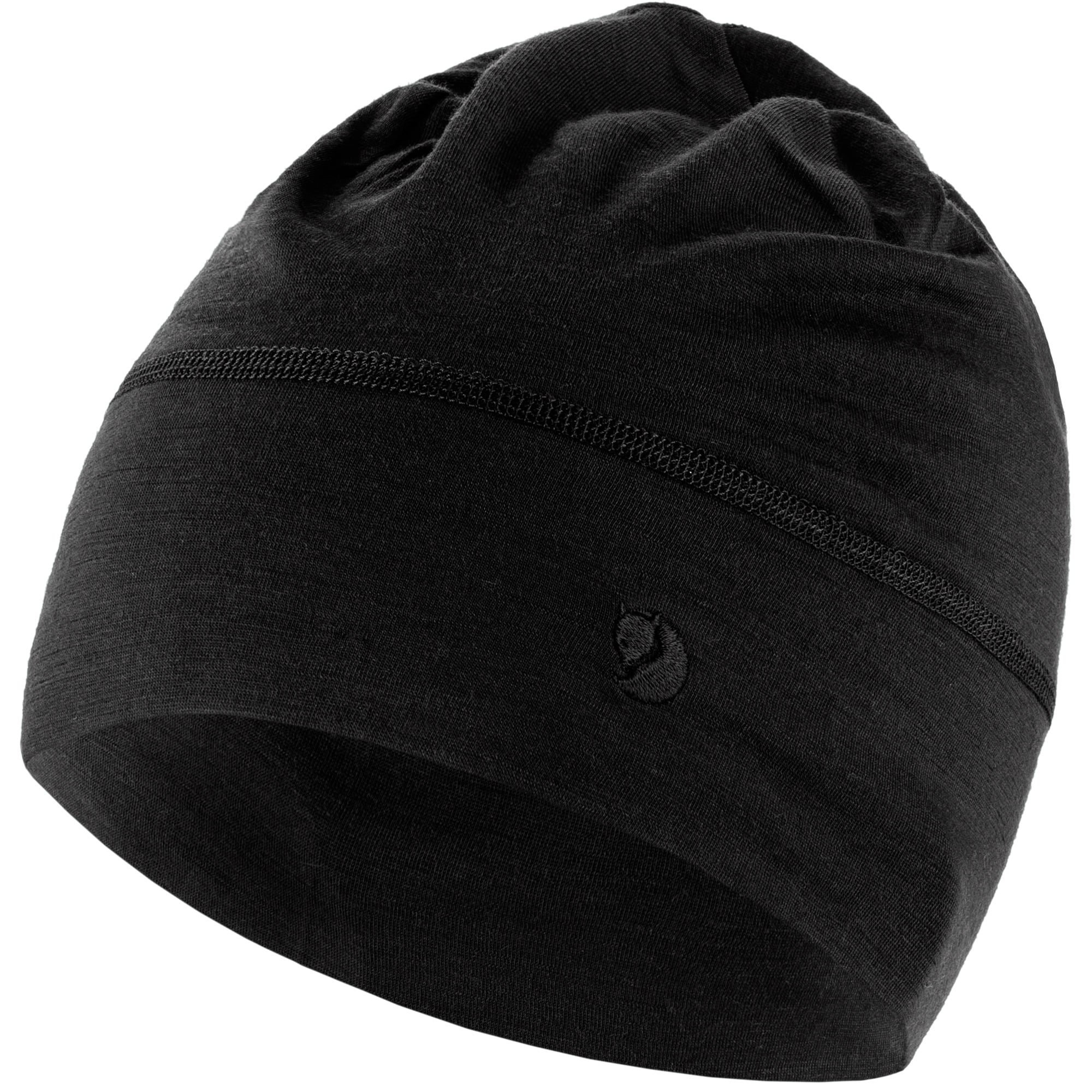
- A hat and thin gloves — yes, in July. On the Besseggen ridge you will want to write them a thank-you note.
-
 4 119 UAH
-
 4 119 UAH
-
 3 894 UAH
-
 4 830 UAH
-
 4 708 UAH
-
 4 680 UAH
-
 3 895 UAH
-
 4 119 UAH
-
 699 UAH
-
 962 UAH
-
 1 638 UAH
-
 1 012 UAH
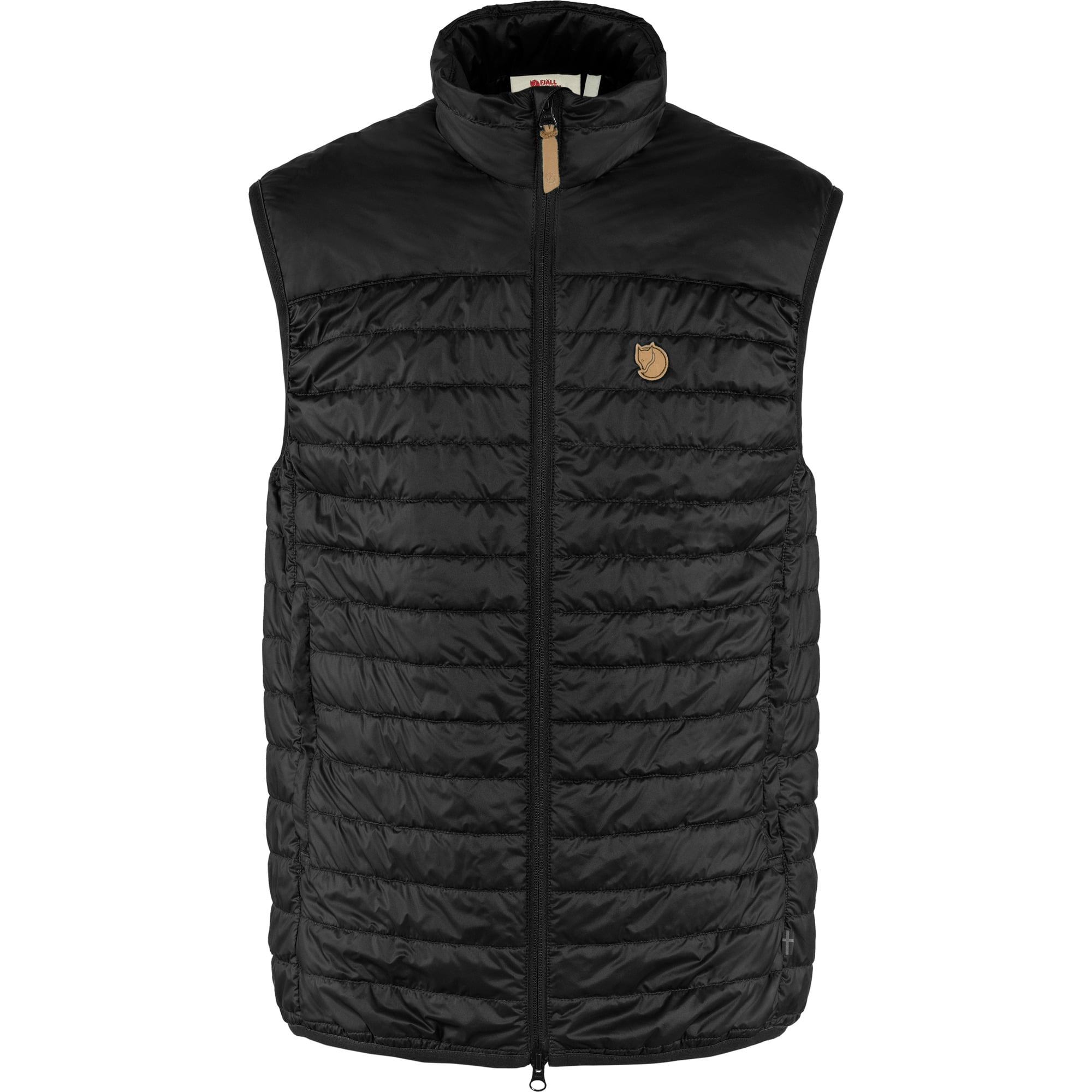
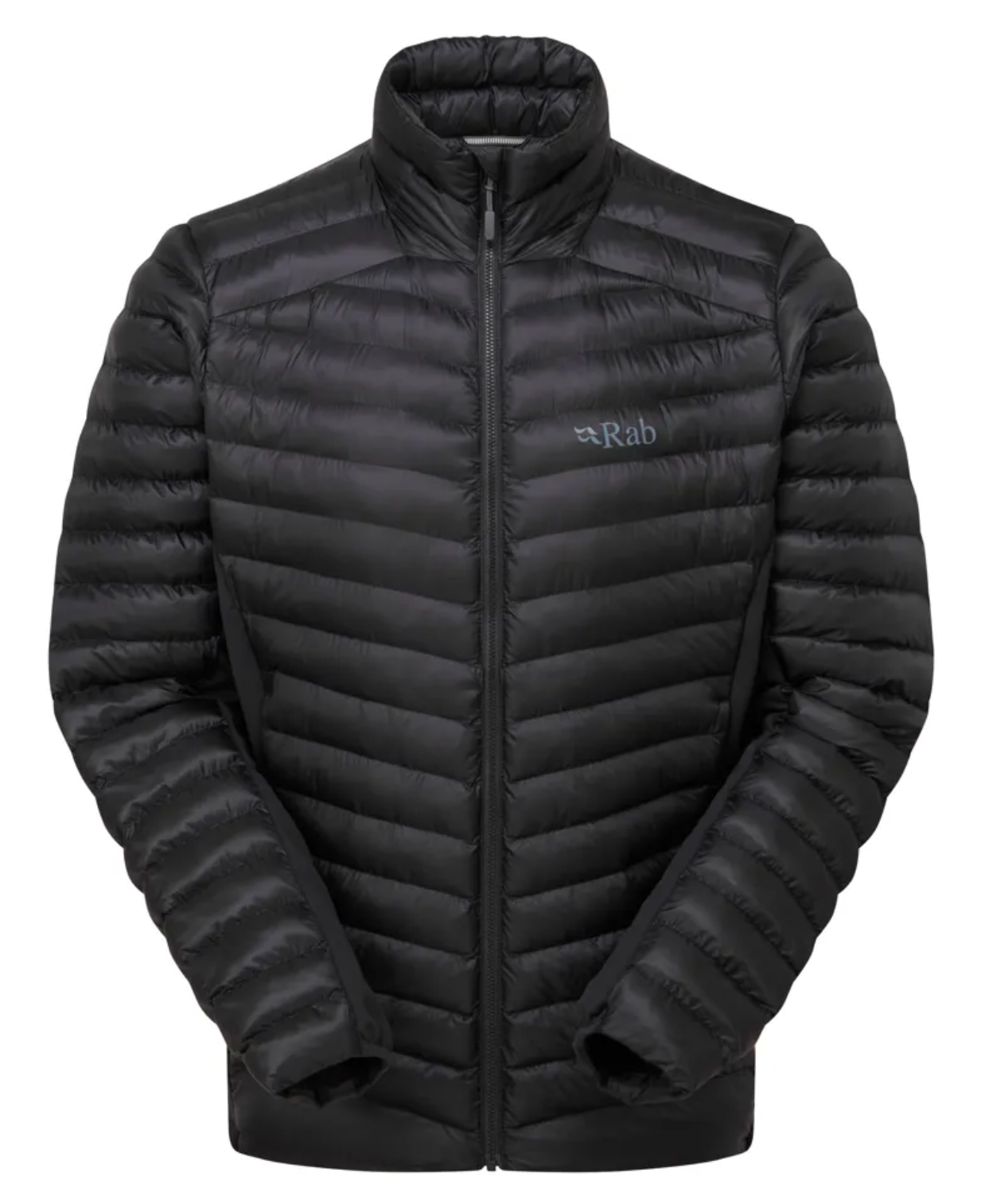
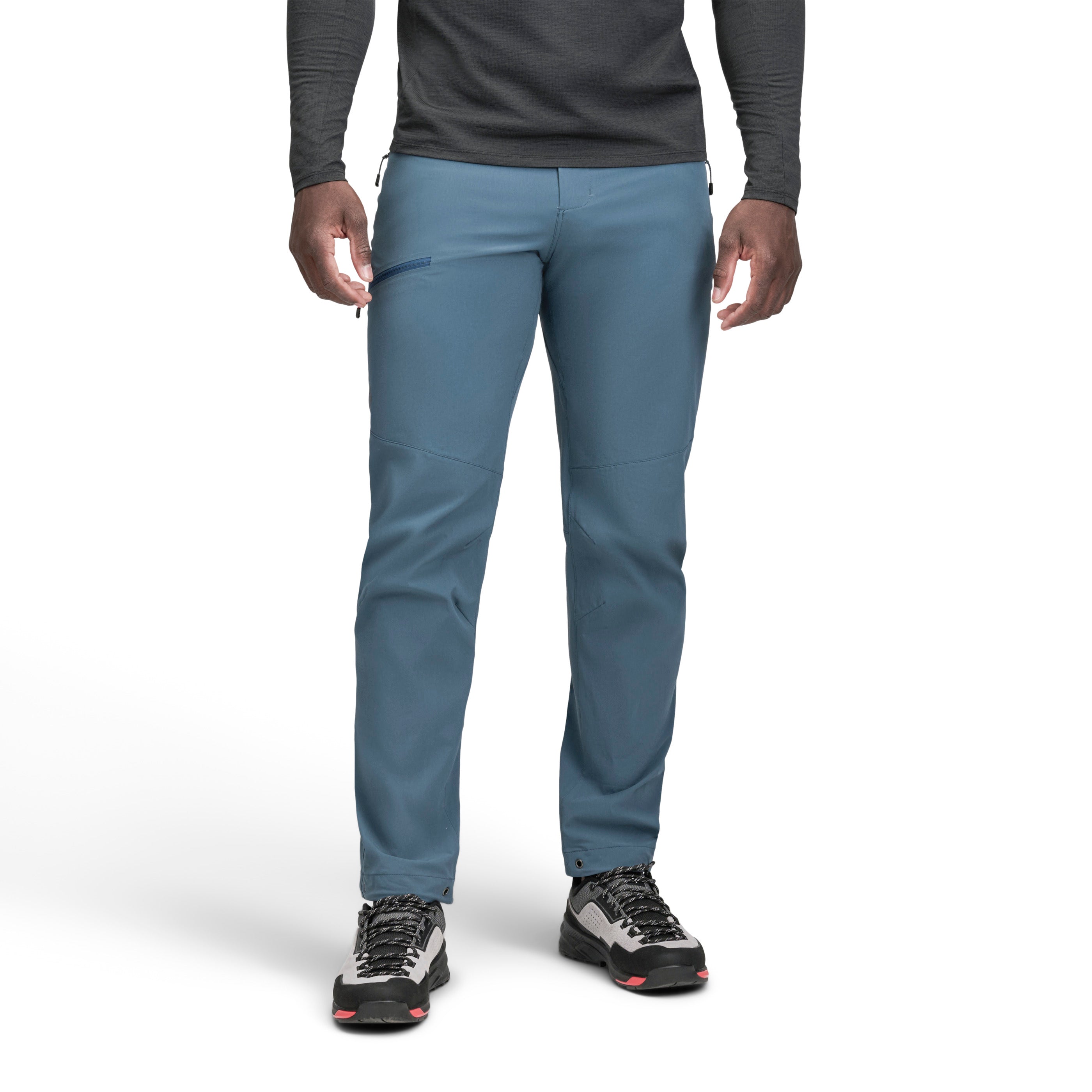
The mid-layer and trousers are Swedish Fjällräven territory. Its G-1000 fabric — dense, wind- and water-resistant — is treated with Greenland Wax: rub it on, warm it with a hairdryer, and your trousers repel water again. It is not a substitute for a membrane in a downpour, but for Norwegian drizzle, scrub and wet rock these trousers are an excellent choice, and the Vidda Pro Ventilated model adds venting zips from hip to knee. For warmth at camp, take a light jacket or gilet with synthetic insulation: in constant damp it is more reliable than down.
-
 9 282 UAH
-
 12 012 UAH
-
 9 828 UAH
-
 437 UAH
-
 7 820 UAH
-
 13 248 UAH
-
 2 700 UAH
-
 3 961 UAH
-
 5 060 UAH
-
 7 038 UAH
🛡️ Dry bags and a spare dry set
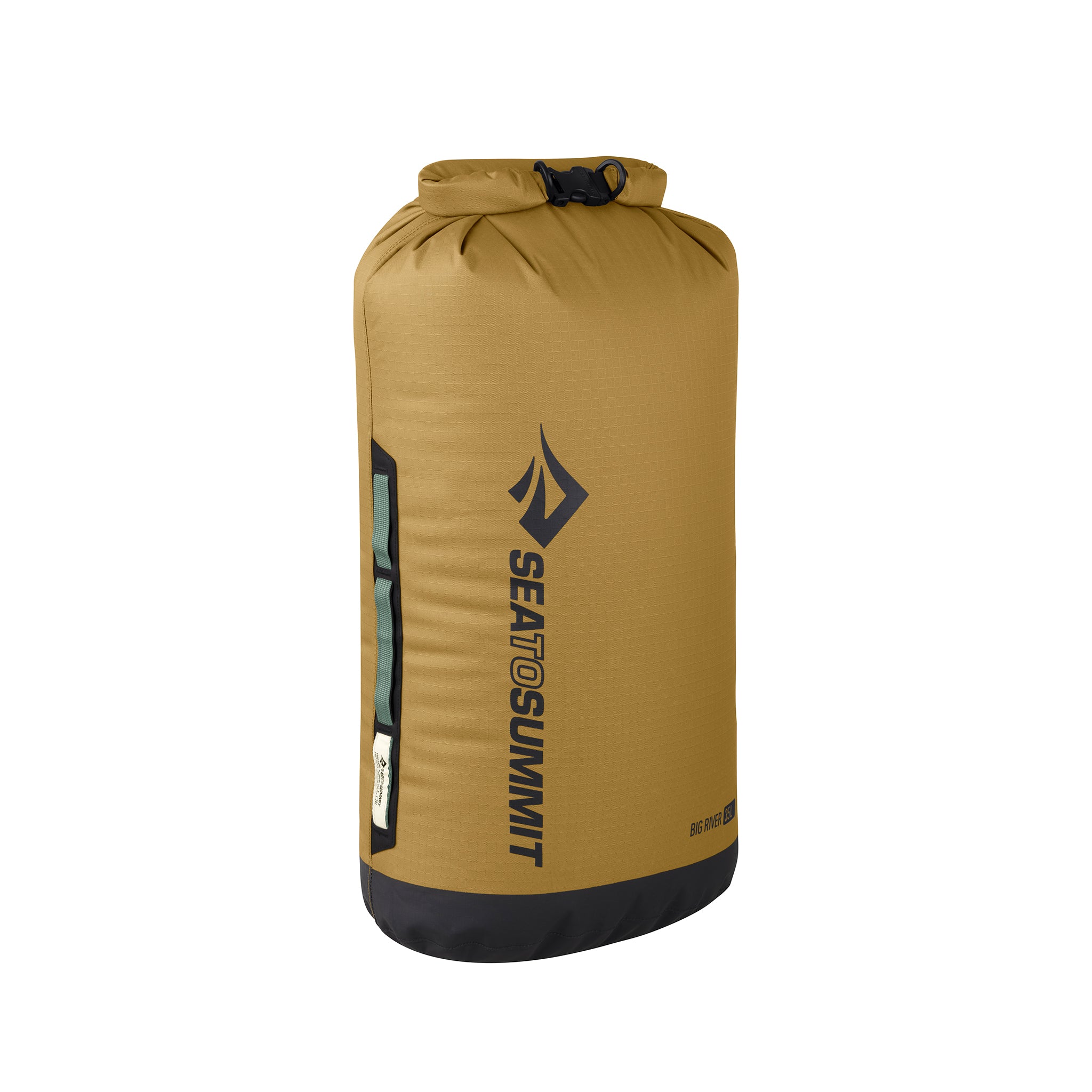
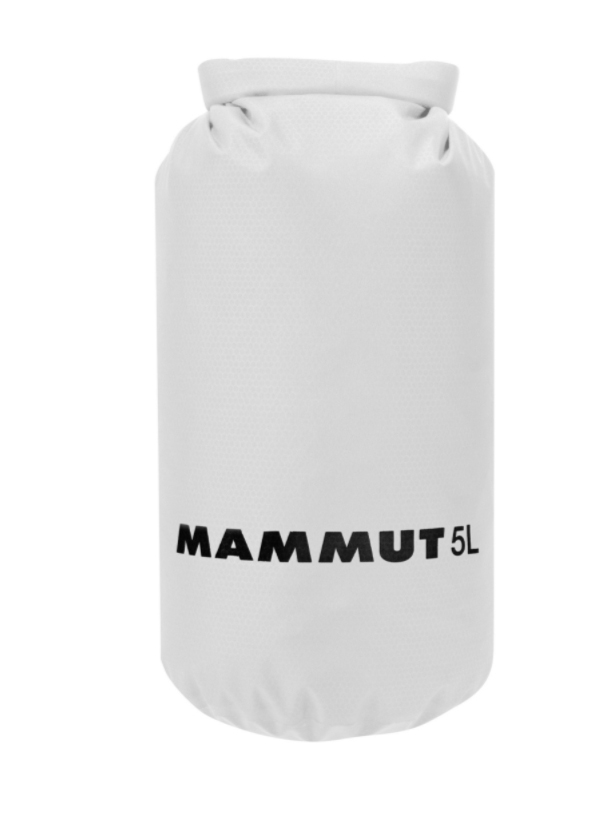
In Norway everything that can get wet does, along with a few things that theoretically cannot. So the system is simple: everything inside the rucksack goes in dry bags, and separately — a dry sleeping set (base layer, socks, hat) that is never worn during the day, no matter how tempting. A rain cover protects from above, but water still runs down your back — a dry bag inside matters more than a cover outside. Phone and documents go in their own waterproof case. And for the flight, a transport cover will rescue your straps and hip belt from the baggage carousel.
-
 3 910 UAH
-
 787 UAH
-
 1 932 UAH
-
 2 576 UAH
-
 538 UAH
-
 401 UAH
-
 215 UAH
-
 782 UAH
-
 1 196 UAH
-
 1 702 UAH
🥾 Footwear for wet rock and bogs
A Norwegian trail means smooth slabs of rock polished by rain, roots, streams without bridges and plateau bogs where the path runs along boardwalks — and sometimes just runs out. You need over-the-ankle trekking boots with a membrane and a deep-lugged sole of soft rubber that grips wet granite. Break new boots in at home: the 27 km of Trolltunga are not the place to get acquainted with your footwear.
-
 7 199 UAH
-
 7 199 UAH
-
 11 336 UAH
-
 8 099 UAH
-
 10 028 UAH
-
 10 528 UAH
-
 5 929 UAH
-
 12 750 UAH
-
 10 192 UAH
-
 2 236 UAH
-
 2 501 UAH
-
 896 UAH
⛺ A tent for the wind and a sleeping bag for cold nights
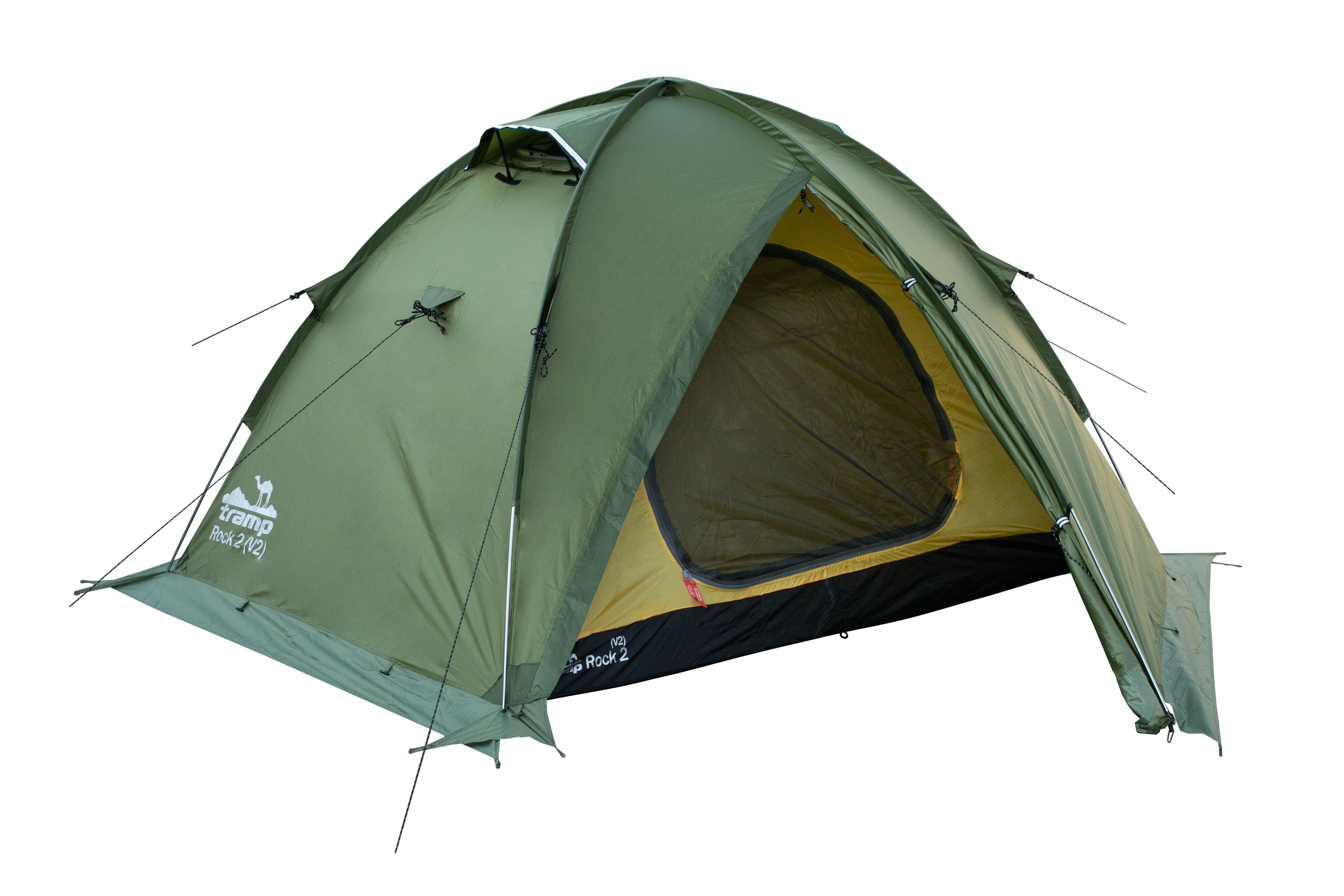
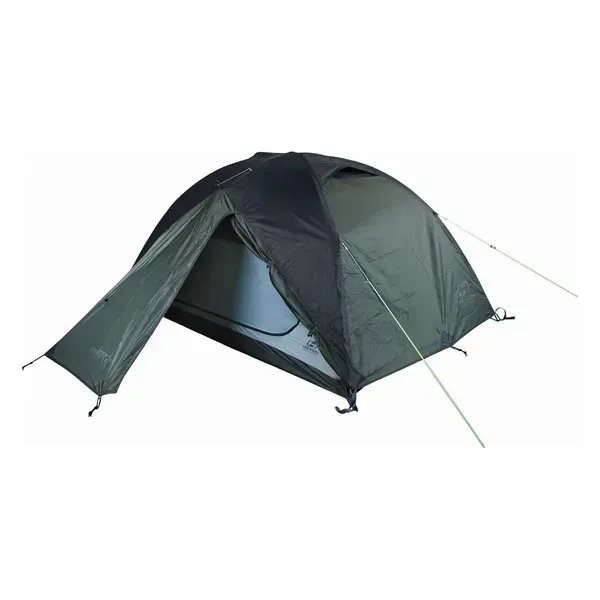
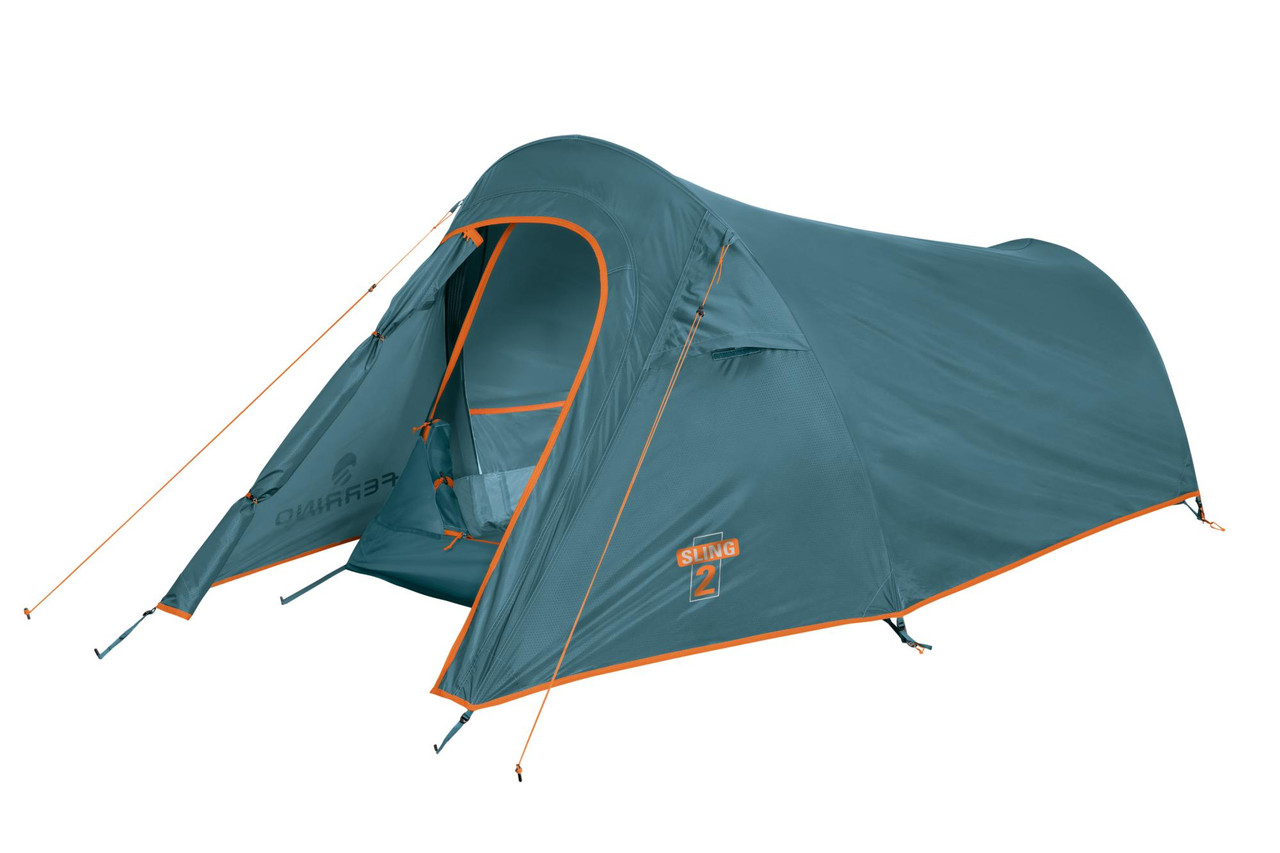
On the plateaus and by the sea the wind is a constant companion, so you want a tent that is low, streamlined, with strong poles and plenty of guy points. Pitch it with the door away from the wind, use every guy line and bring spare pegs: rocky ground eats more of them than you would think. A porch where you can cook and stash wet gear is not a luxury in a country this damp.
-
 16 772 UAH
-
 11 454 UAH
-
 10 483 UAH
-
 9 910 UAH
-
 12 650 UAH
-
 10 534 UAH
-
 36 088 UAH
-
 9 706 UAH
-
 10 899 UAH
-
 17 745 UAH
Summer nights in the mountains drop to around freezing, and lower at the start and end of the season. Aim for a sleeping bag with a comfort rating of about 0 °C. Synthetic copes better with damp; if you take down, choose one with a water-repellent treatment and keep it in a dry bag. A liner adds a few degrees and keeps the bag clean.
-
 7 699 UAH
-
 9 124 UAH
-
 7 499 UAH
-
 3 120 UAH
-
 5 198 UAH
-
 6 440 UAH
-
 6 210 UAH
-
 18 244 UAH
-
 10 499 UAH
-
 2 438 UAH
🔥 Kitchen: buy your gas locally
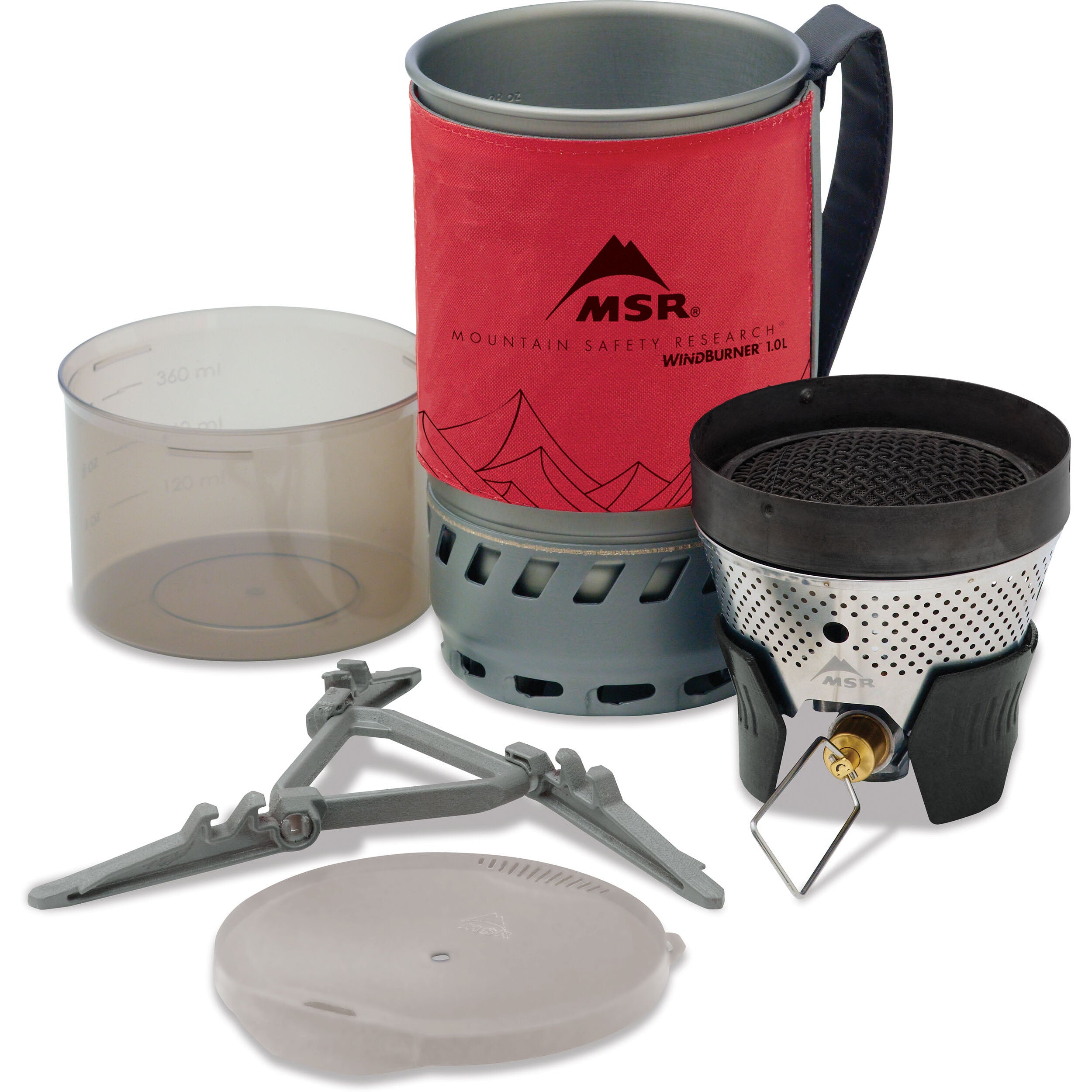
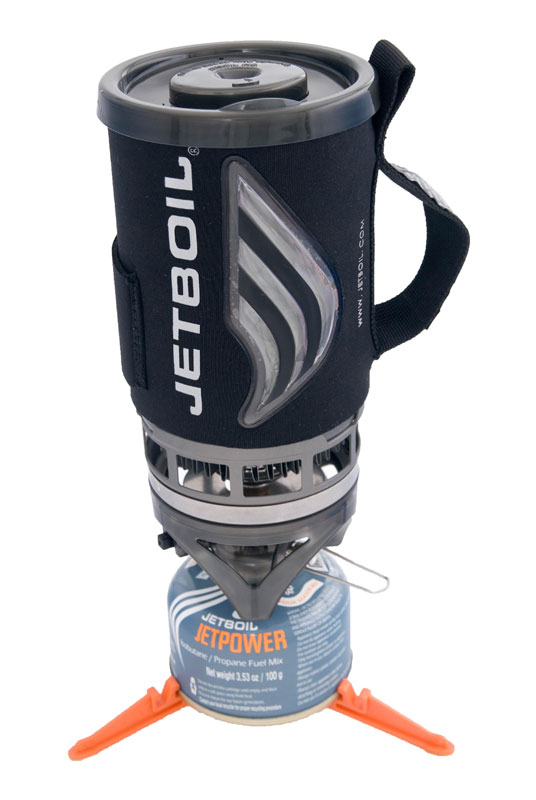
A gas canister cannot go on a plane — not in hand luggage, not in the hold: under IATA rules, which European airlines follow, it is forbidden dangerous goods. Pack the stove in your hold luggage; a petrol or multi-fuel stove only with its fuel bottle fully drained and aired, and usually with the airline’s approval, so check with your carrier in advance. Screw-thread canisters are sold in Norway in sports and outdoor shops and at many campsites, so bring the stove and buy gas on day one. Because of the wind, go for a system with a built-in windshield or a remote-canister stove with a screen — an exposed burner in a Norwegian breeze gets through gas with indecent speed. A flask of hot tea on a 10-hour route is the best motivational speaker for the last few kilometres.
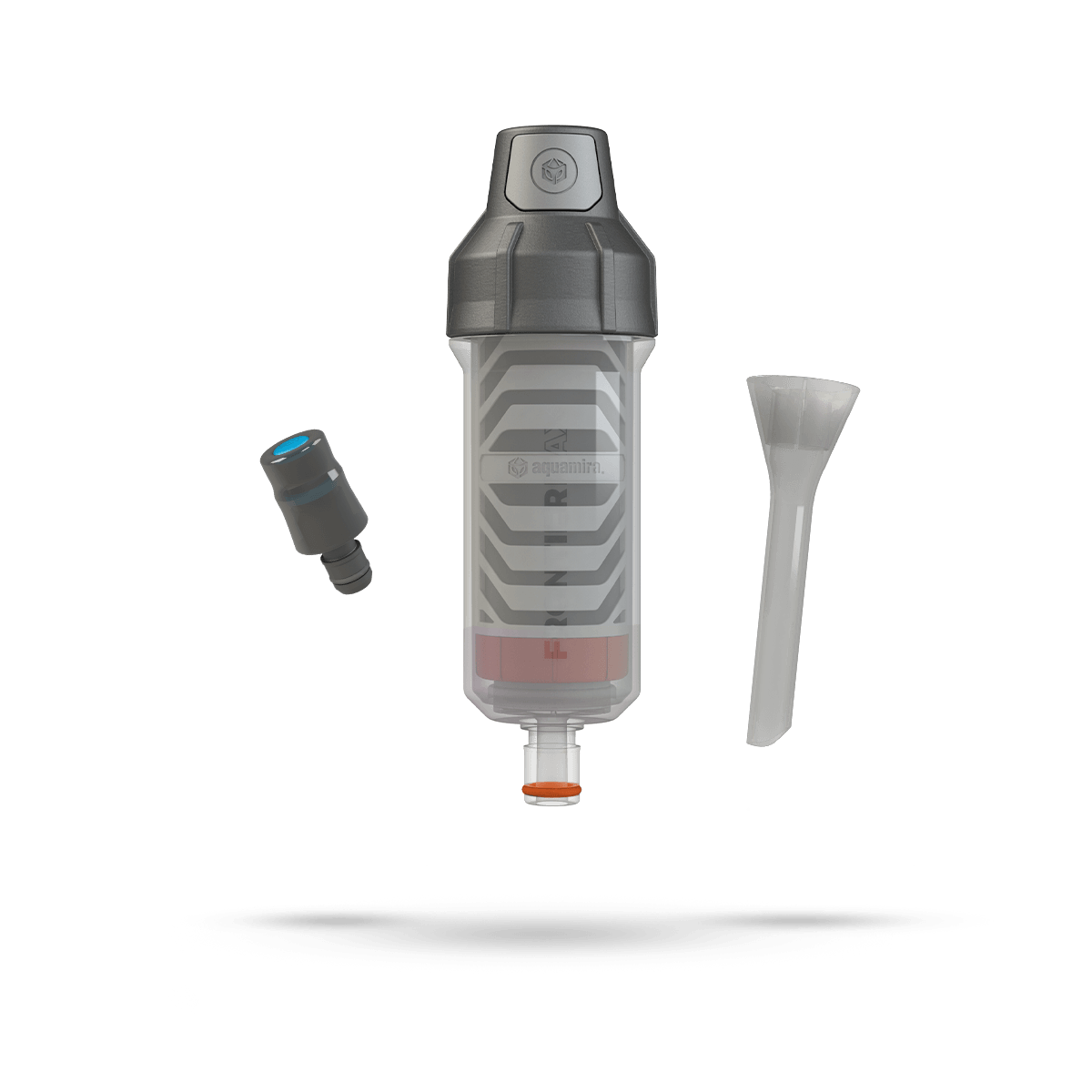
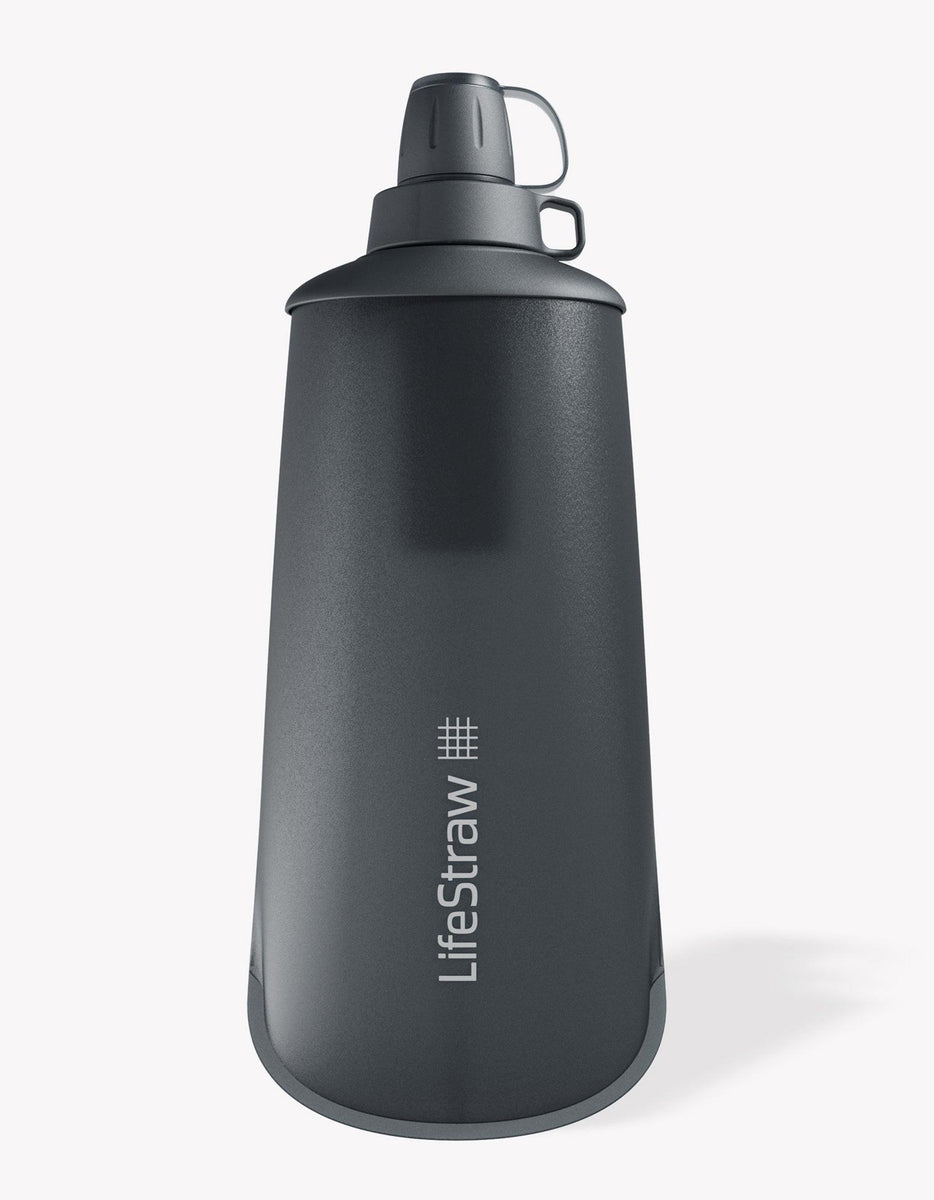
You can take water from mountain streams, but where sheep graze and at busy spots like Kvalvika (where E. coli has been recorded) it is better to filter it.
-
 13 624 UAH
-
 6 631 UAH
-
 7 948 UAH
-
 3 220 UAH
-
 5 148 UAH
-
 6 756 UAH
-
 3 368 UAH
-
 1 018 UAH
-
 2 360 UAH
-
 1 061 UAH
-
 1 157 UAH
-
 2 340 UAH
🦟 Mosquitoes and midges
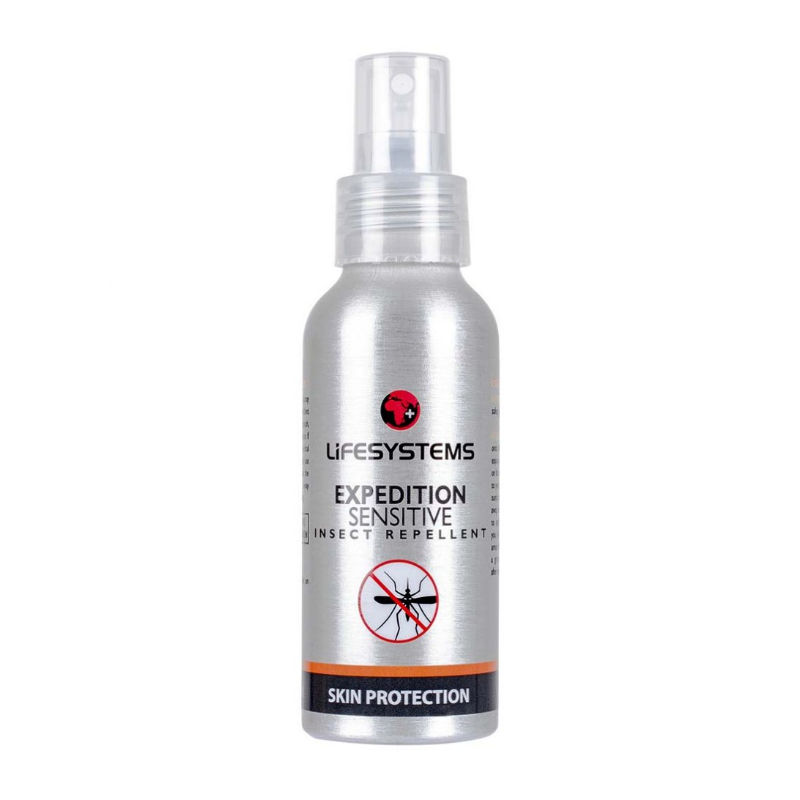
In July, on boggy plateaus, by lakes and especially in the north, mosquitoes and midges make a strong case against sitting outside your tent in the evening. On a still day there can be a great many of them, and they all seem to have been told about you. Repellent for skin, a treatment for clothing and tent, a head net and a portable repeller for camp will help. The wind that annoyed you all day becomes your best friend at dinner time.
-
 858 UAH
-
 801 UAH
-
 644 UAH
-
 644 UAH
-
 690 UAH
-
 2 764 UAH
-
 1 080 UAH
-
 1 020 UAH
🧭 Safety: the mountain code and Trolltunga
Norway has an official mountain code — Fjellvettreglene, drawn up by DNT and the Norwegian Red Cross: nine rules every schoolchild knows:
- Plan your trip and tell others about your route.
- Adapt your plans to your ability and the conditions.
- Pay attention to the weather forecast and avalanche warnings.
- Be prepared for bad weather and frost, even on short trips.
- Bring the necessary kit so you can help yourself and others.
- Choose safe routes; recognise avalanche terrain and unsafe ice.
- Use a map and compass — always know where you are.
- Don’t be ashamed to turn back.
- Conserve your energy and seek shelter if necessary.
Rule eight is the hardest one for anybody who has flown in specially and paid for the car park. Practise it anyway. On Trolltunga, mountain rangers are on duty in summer and there are emergency shelters along the trail, but the rescue teams are hardly idle: there were 42 rescue operations in 2016, and the number fell sharply once rangers were introduced in 2017. The most common injury is a sprained ankle; typical causes are underestimating the distance and starting late. Do not set off in strong wind, heavy rain or fog, keep your group together and remember that many accidents happen on the way down.
-
 1 872 UAH
-
 2 756 UAH
-
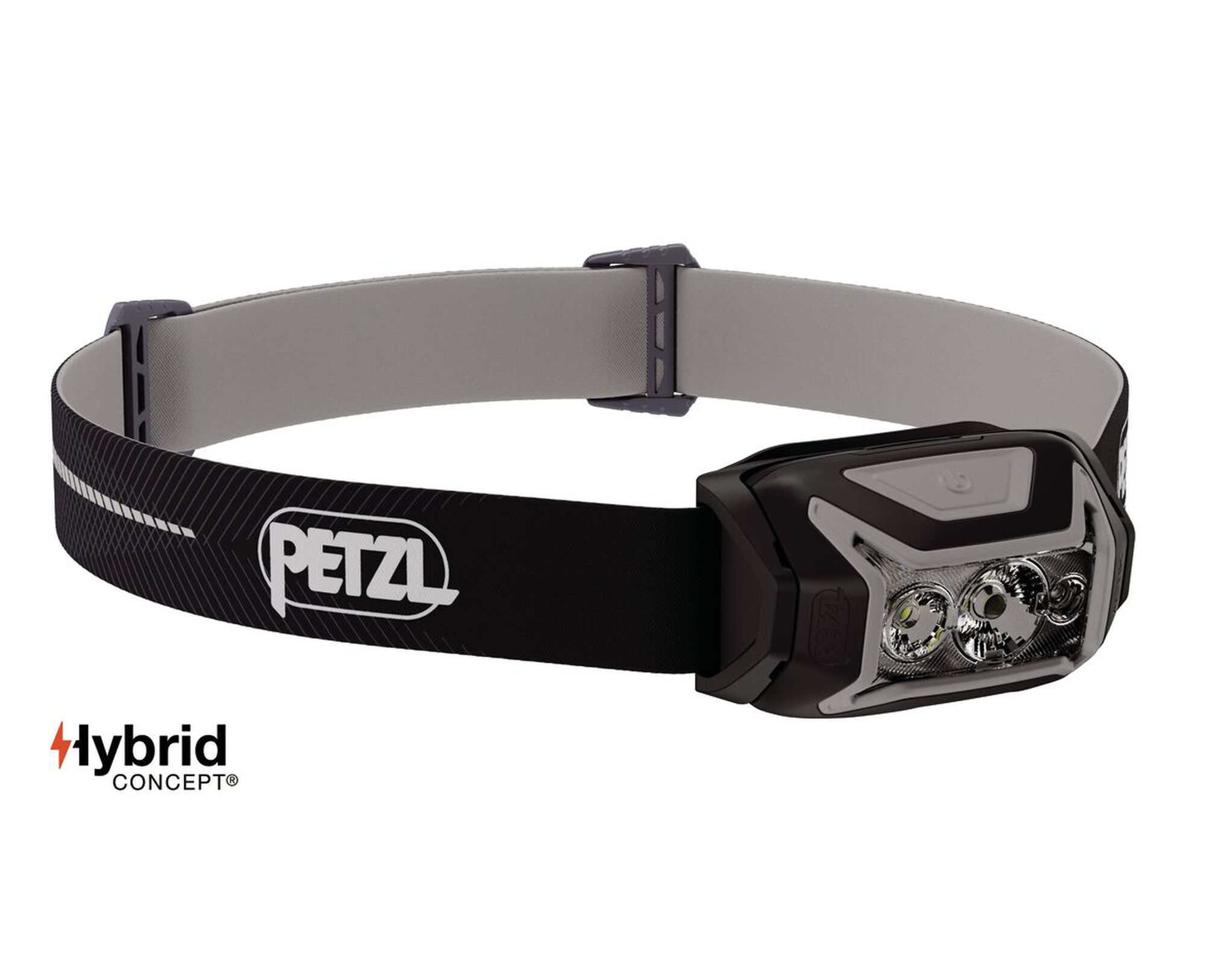 4 876 UAH
-
 1 628 UAH
-
 1 680 UAH
-
 3 082 UAH
-
 1 932 UAH
-
 5 750 UAH
-
 3 818 UAH
-
 5 520 UAH
-
 3 399 UAH
💡 Final tips
- Build in a spare day for every big route — the weather decides when you go, not your plane tickets.
- Start early, especially on Trolltunga and Kjerag: fewer people on the trail and more daylight in the bank.
- Book ahead — the Besseggen boat, shuttles and car parks at the popular trailheads, and hut beds in July.
- Do not risk it for a photo at the edge of a drop: wet rock is slippery and there are no railings. No picture is worth the headline.
- Leave the place clean — allemannsretten works only as long as everyone takes their rubbish home.