
Nepal is a country where “a bit of a walk” quietly turns into two weeks at altitudes just shy of 5000 metres. The treks to Everest Base Camp (EBC, 5364 m) and around the Annapurna Circuit, over the Thorong La pass (5416 m), need no ropes and no crampons: in season you get decent trails, nights in lodges and a steaming plate of dal bhat every evening. Which is exactly why so many people turn up who have never been higher than a ski lift. The real enemy here is not technique but altitude, cold nights and being in a hurry. The good news: a sensible itinerary and well-chosen kit deal with all three. Your enthusiasm, sadly, you will have to manage yourself.
🗺️ EBC or Annapurna: which trek?
Both are classics, but they have very different personalities. Everest is an out-and-back up one valley, with a flight to Lukla and the highest mountains on the planet looming overhead like disapproving relatives. Annapurna is a loop through several climate zones: from subtropical rice fields and pine forest through the dry highlands of Manang to the desert landscapes of Mustang. One is a pilgrimage; the other is a road trip on foot.
| Everest Base Camp | Annapurna Circuit | |
|---|---|---|
| Duration | 12–14 days from Lukla and back, including 2 acclimatisation days | 12–18 days, depending on how much you cover by jeep |
| Distance | About 130 km there and back | 160–230 km, depending on start and finish |
| Altitudes | Lukla 2860 m → Namche Bazaar 3440 m → Gorak Shep 5164 m → EBC 5364 m, Kala Patthar ≈ 5550 m | Besisahar ≈ 800 m → Manang ≈ 3540 m → Thorong Phedi ≈ 4500 m → Thorong La 5416 m → Muktinath ≈ 3760 m |
| Logistics | Flight to Lukla (in peak season usually from Ramechhap), weather-dependent | Bus or jeep from Kathmandu/Pokhara; exit via Jomsom by plane or by road |
| Character | Many nights above 4000 m, cold, dry, plenty of people and yaks on the trail | Huge range of climates, one crux — the pass, with a 4–5 a.m. start |
| Best for | Those who want to see Everest and are ready for a long stay at altitude | Those who like variety and a “proper journey” with a pass in the middle |
📅 Seasons: autumn, spring and the monsoon
| Period | What to expect |
|---|---|
| October – November | Peak season: crystal-clear air, the best views, cold nights. Also the busiest trails and the longest queues for Lukla flights. |
| March – May | Second season: warmer, rhododendrons in bloom, but by late May there is haze and heat lower down. |
| December – February | Few people, clear skies, but properly cold. Thorong La can be closed by snow for days at a time. |
| June – September | Monsoon: rain, landslides, leeches lower down, cloud hiding the peaks and Lukla flights cancelled. The upper Annapurna (Manang, Mustang) lies in a rain shadow and gets noticeably less wet. |
📜 Permits, guides and the rules
Nepal’s rules have changed several times in recent years, and how they are applied varies from region to region. Keeping up with them is practically a sport in its own right. As of late 2026, the picture looks like this:
- Mandatory guide. Since April 2023 the Nepal Tourism Board (NTB) has required foreign trekkers on the main trekking routes — its list includes both EBC and the Annapurna Circuit — to walk with a licensed guide booked through a registered agency, and to get their TIMS card through that agency. In the Annapurna Conservation Area (ACAP) the rule is applied, although checks are not everywhere.
- Everest is a special case. The local Khumbu Pasang Lhamu Rural Municipality disagreed with the rule: it sells its own entry permit (trek card) to independent trekkers too, and according to press and agency reports a guide is in practice strongly recommended there rather than required. Officially, though, the NTB has not dropped the rule for Everest, and recent sources contradict each other — check before you travel.
- Permits for EBC: Sagarmatha National Park entry (issued in Kathmandu or at Monjo) plus the local Khumbu municipality permit (usually in Lukla or Monjo). According to most sources, the TIMS card is not asked for in Khumbu — the local permit is used instead.
- Permits for Annapurna: the ACAP permit (which can also be applied for online via the NTNC e-permit system) and a TIMS card, which under NTB rules is issued through an agency.
✈️ Getting there: Lukla, Ramechhap and Annapurna jeeps
For Everest, almost everyone flies to Lukla (2860 m) — a short runway on a hillside that makes every landing feel like applause is mandatory. Flights only run in good visibility. In peak season, Lukla flights are moved from Kathmandu to Ramechhap (Manthali) airport: about 140 km and roughly 5 hours by road, leaving in the small hours. The flight itself then takes about 12 minutes, which is less time than it takes to find your boarding pass. Morning is the best window: the last flights of the day are the ones most often cancelled.
- Allow 1–2 spare days for the return flight from Lukla. Weather delays are the norm here, not an act of God.
- Baggage allowance on these flights is usually around 10 kg in the hold plus 5 kg of hand luggage, with excess charged. Check with the airline.
For Annapurna you go by land: bus or jeep from Kathmandu or Pokhara to Besisahar, then ever higher up the Marsyangdi valley. In recent years the road has crept all the way to Manang, so many people drive the lower section. That saves days, but it also eats into your acclimatisation and the greenest part of the route — and the jeep ride is not exactly a spa treatment either. The exit is via Muktinath and Jomsom, from where you fly to Pokhara or carry on by road.
🏔️ Altitude and acclimatisation
Altitude sickness has no respect for fitness: a marathon runner can suffer more than a pensioner who walks slowly. The basic rule from the CDC guidance: above 3000 m, raise your sleeping altitude by no more than 500 m a day, and add an extra acclimatisation day for every 1000 m gained. On a rest day, do not just lie about — walk 300–500 m higher and come back down to sleep. “Climb high, sleep low” is the one mantra worth chanting here.
- Everest: the classic rest days are Namche Bazaar (3440 m) and Dingboche (≈ 4410 m). The toughest nights are at Lobuche and Gorak Shep (5164 m); the climb up Kala Patthar starts before dawn, in the cold.
- Annapurna: the essential rest day is Manang (≈ 3540 m). Thorong La (5416 m) is crossed anticlockwise, setting off early from Thorong Phedi or High Camp. From the other side, out of Muktinath, it is more than 1600 m of ascent in a day — which is a bad idea dressed up as an adventure.
- Warning signs: a headache, nausea, weakness and poor sleep mean altitude sickness: go no higher until the symptoms have gone, and if they get worse at the same altitude, descend. Breathlessness at rest, a cough, an unsteady walk or confusion are no longer “tired” — they are a reason to descend immediately.
🎒 Porter and duffel, or your own rucksack
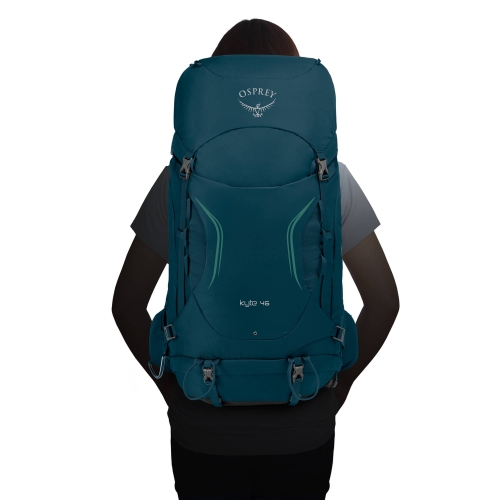
There are two approaches. With a porter, you carry only a daypack of 30–40 litres (water, a warm layer, waterproof, snacks, first-aid kit, sunglasses, documents), and everything else travels in a duffel. Without a porter, you carry the lot — then you need a light 40–50 litre rucksack with a good hip belt. No tent and no food, admittedly, but warm clothes and a sleeping bag take up more room than optimism suggests.
- A 60–100 litre duffel — soft, tough, water-resistant and with handles: it gets slung on yaks, left in the rain and lobbed into the hold. A wheeled suitcase is about as useful here as a snorkel.
- Keep the duffel to 15 kg at most. That is basic decency towards your porter, who often carries two duffels at once. And on the Lukla flight the hold allowance is usually around 10 kg — anything over that is paid as excess.
- Pack everything inside in dry bags, and put a rain cover on your rucksack: on the lower part of the route it rains even in season.
-
 6 693 UAH
-
 11 868 UAH
-
 10 750 UAH
-
 8 832 UAH
-
 8 320 UAH
-
 8 740 UAH
-
 5 566 UAH
-
 7 820 UAH
-
 5 408 UAH
-
 9 412 UAH
-
 3 340 UAH
-
 1 014 UAH
🛏️ Tea houses: sleeping bag, charging and signal
You sleep in lodges (tea houses): twin rooms with beds, a shared dining room with a stove, food from a menu. Sounds cosy — and lower down it is. But above 4000 m the rooms are unheated, the walls are thin enough to hear your neighbour change his mind, and a water bottle can freeze by morning. Lodges do hand out blankets, but in peak season there are not always enough, and they are washed less often than you would hope. So you need your own sleeping bag even on a “hotel” trek.
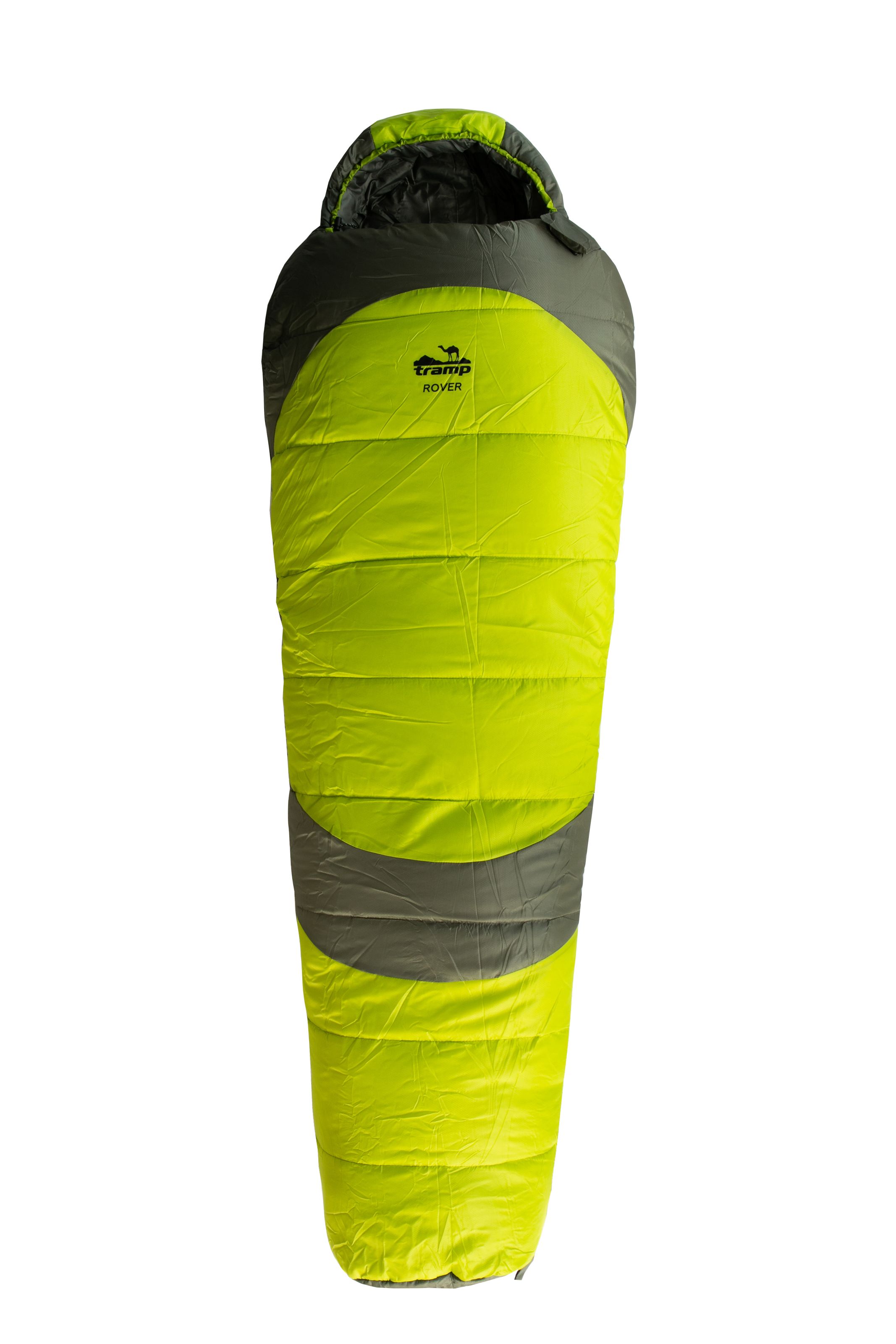
- Sleeping bag — with a comfort rating of about −5…−10 °C (look at the comfort temperature, not the “extreme” figure or the number in the name). Down is lighter and packs smaller, which in the dry high mountains is its main advantage. If you feel the cold, go warmer or throw the lodge blanket over the top.
- A liner keeps the bag clean and adds a couple of degrees. Silk or fleece — your call.
- At night, keep your phone, power bank and water bottle in the bag with you — in the cold, batteries drain alarmingly fast. It is not romantic, but it works.
-
 26 956 UAH
-
 12 432 UAH
-
 14 079 UAH
-
 12 999 UAH
-
 11 408 UAH
-
 8 390 UAH
-
 6 348 UAH
-
 3 025 UAH
-
 2 852 UAH
-
 4 278 UAH
-
 1 104 UAH
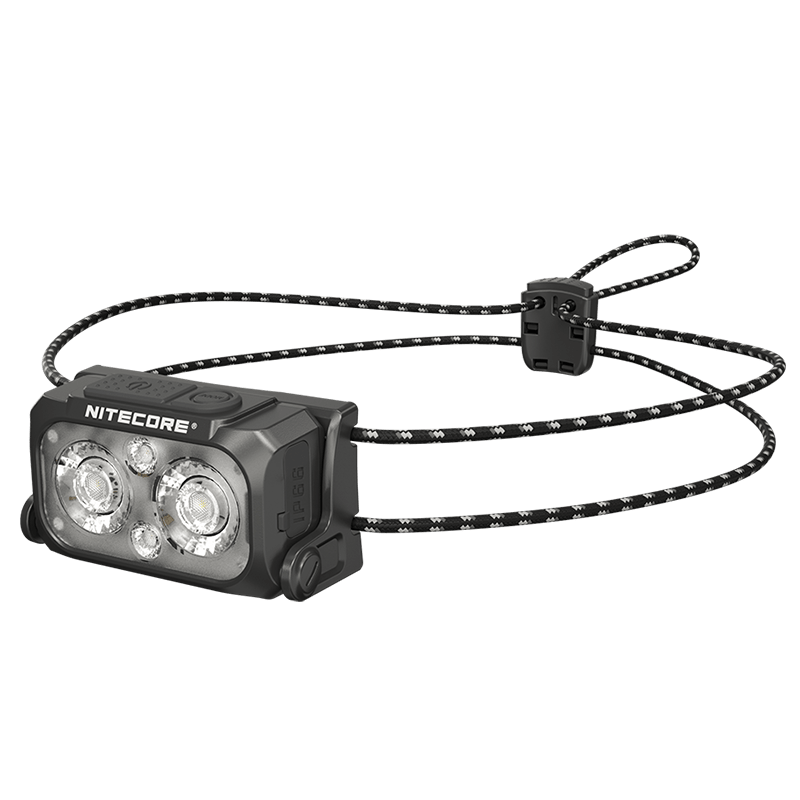
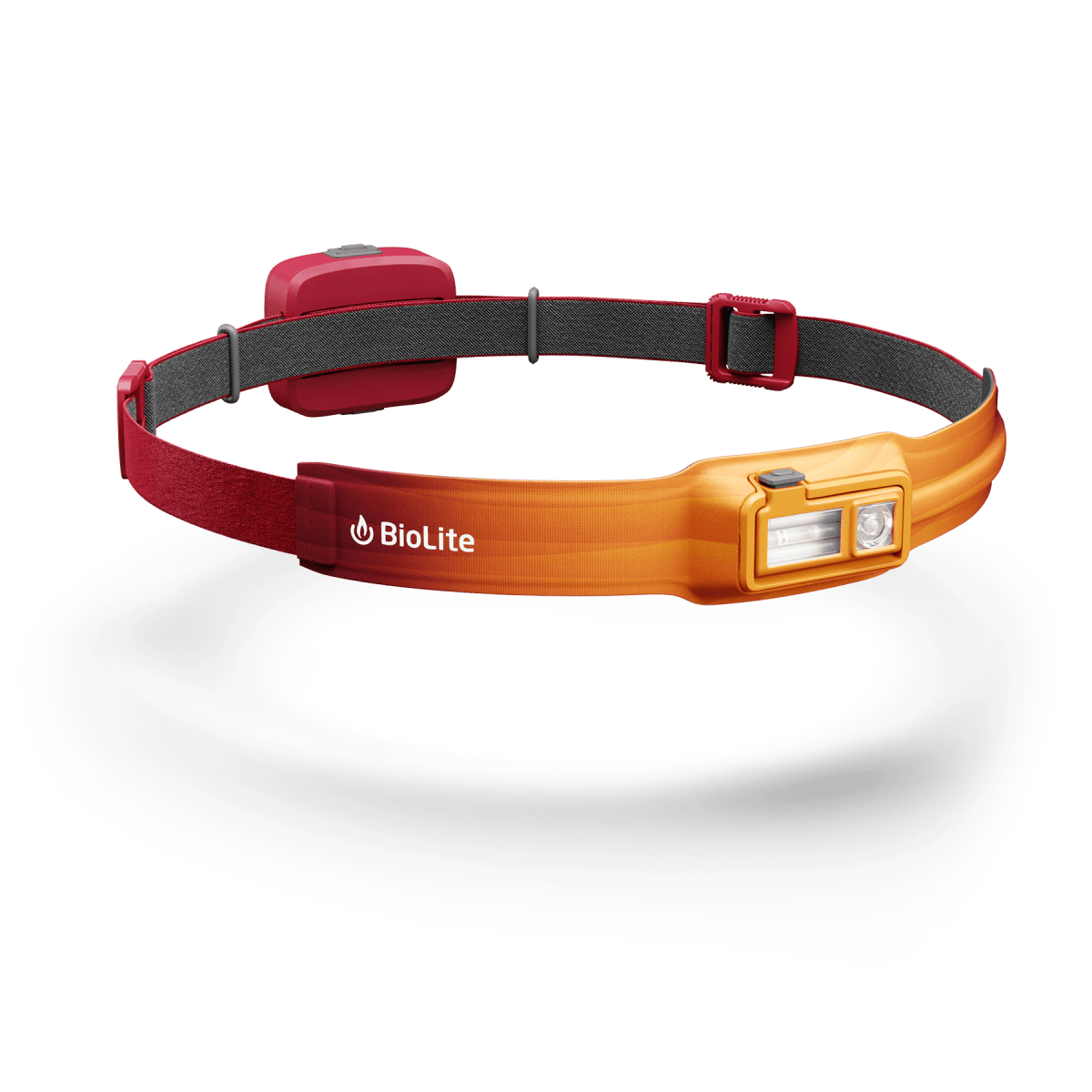
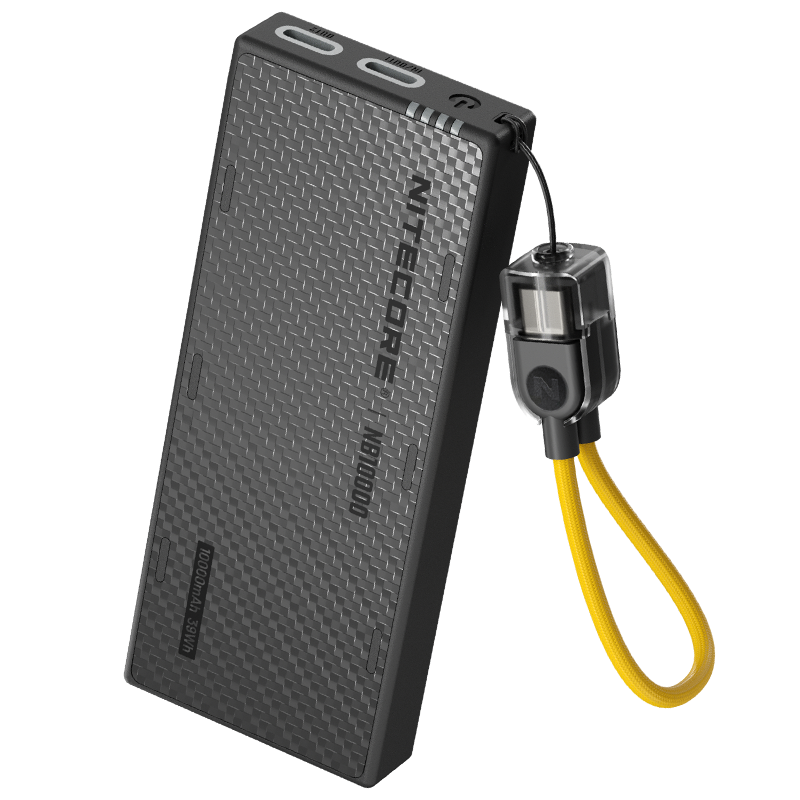
Electricity is available in almost every lodge, but higher up charging usually costs money, runs off solar panels and is not always reliable. Mobile signal and Wi‑Fi exist in many villages (in Khumbu there are paid local Wi‑Fi cards), but do not count on them — a Himalayan sunrise does not need to be posted in real time. Bring a 10,000–20,000 mAh power bank, cables and a head torch: lodge lights get switched off, and you set off for the pass and Kala Patthar in the dark.
-
 4 232 UAH
-
 2 162 UAH
-
 2 300 UAH
-
 2 944 UAH
-
 1 540 UAH
-
 2 502 UAH
-
 3 780 UAH
-
 5 970 UAH
-
 4 830 UAH
-
 4 684 UAH
-
 25 UAH
🧥 Clothing: from jungle to −15 °C
On one trek you will pass through several climates. At the bottom it is +25 °C and humid by day; up high, at night and on early starts, it is −10…−15 °C, and colder still in the wind. There is one answer: layers you can take off and put on without stopping — or at least without a full costume change on the trail.
| Section | Weather | What to wear |
|---|---|---|
| Low (up to 2500 m) | +15…+28 °C, humid, sunny | T-shirt, light trekking trousers, cap or sun hat |
| Middle (2500–4000 m) | +5…+15 °C by day, around 0 °C at night | Base layer, fleece, windproof or waterproof depending on the weather |
| High (4000–5000 m) | 0…+10 °C in the sun, −10 °C at night | Base layer, fleece, light down jacket, hat, gloves |
| The pass and Kala Patthar at dawn | −10…−15 °C, wind | Everything at once: warm down jacket, insulated trousers, mittens, balaclava or neck gaiter |
Base layer
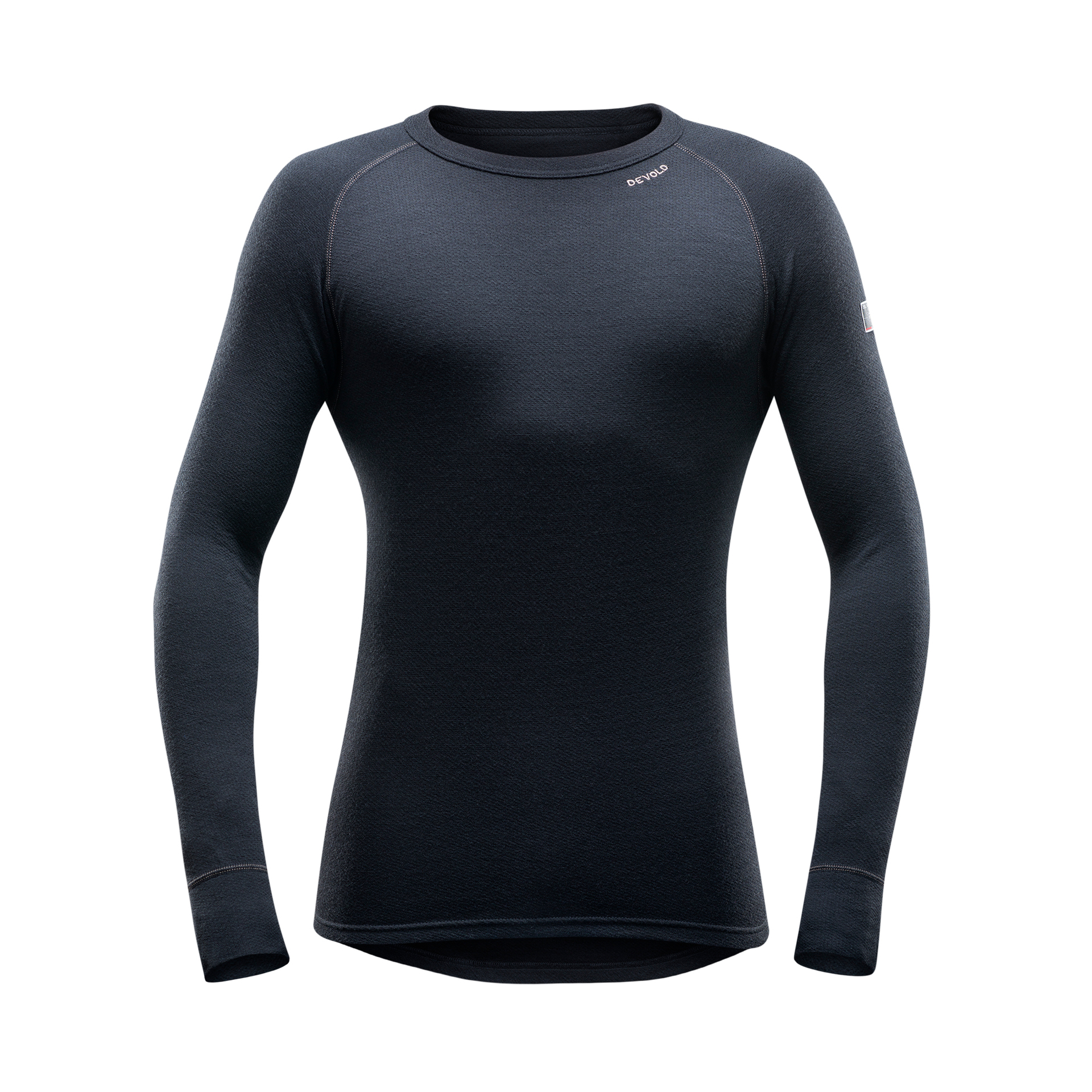
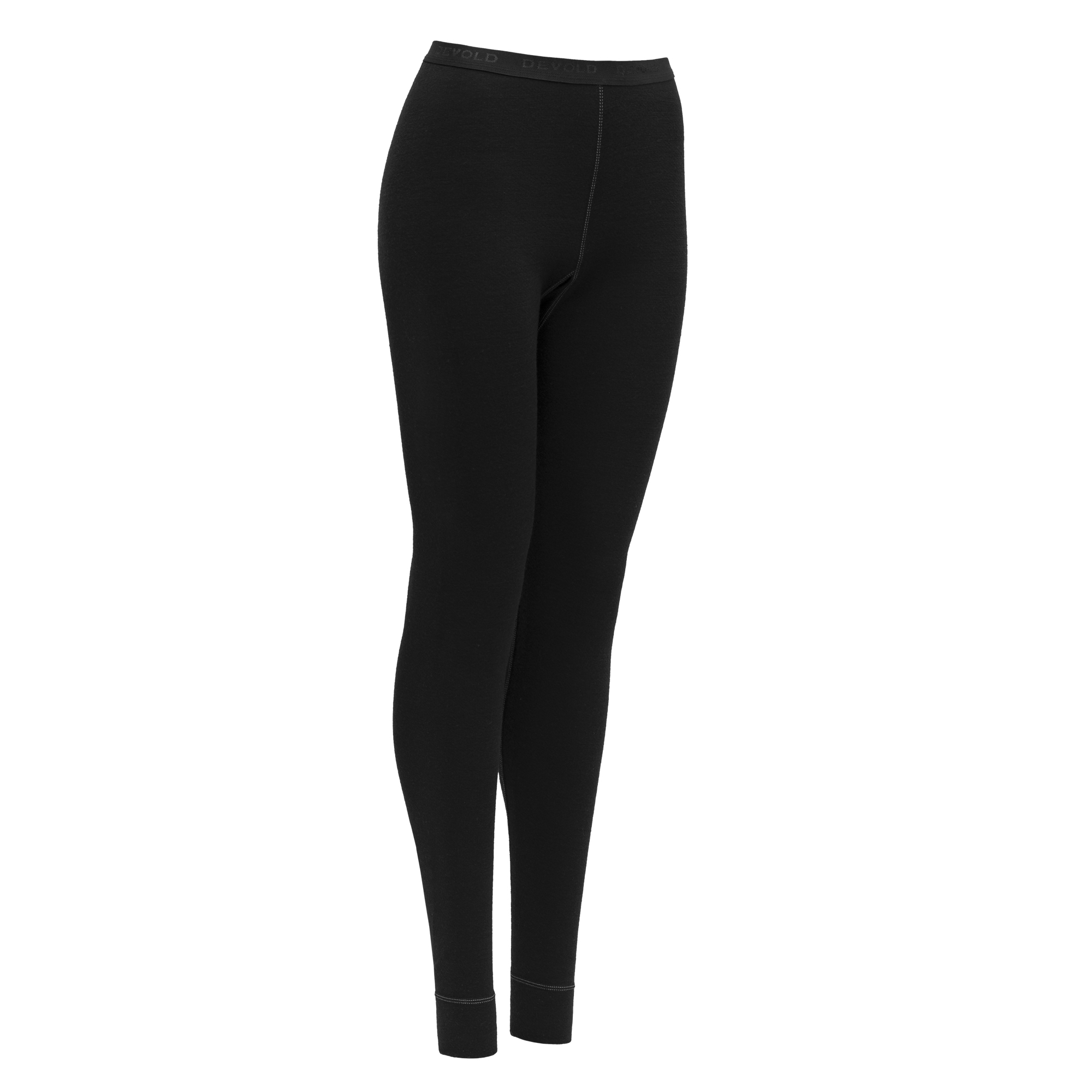
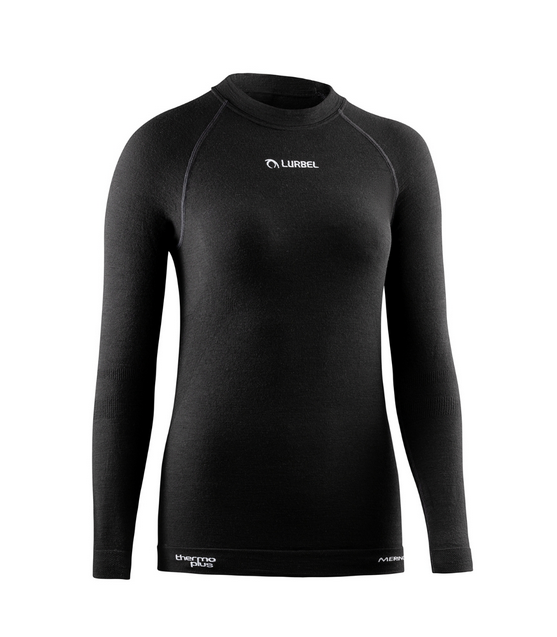
Two sets of thermals: one for walking (synthetic or thin merino, quick-drying) and a dry set for the lodge and sleeping that never goes anywhere near the trail. Laundry on the trek is a challenge, and a hot shower above Namche or Manang becomes a paid luxury, so merino — which barely smells even after days of wear — is especially good here. Your room-mate will thank you.
-
 3 894 UAH
-
 4 708 UAH
-
 3 068 UAH
-
 1 989 UAH
-
 5 299 UAH
-
 5 299 UAH
-
 3 895 UAH
-
 2 990 UAH
-
 4 680 UAH
-
 3 240 UAH
-
 1 437 UAH
-
 3 276 UAH
Insulation
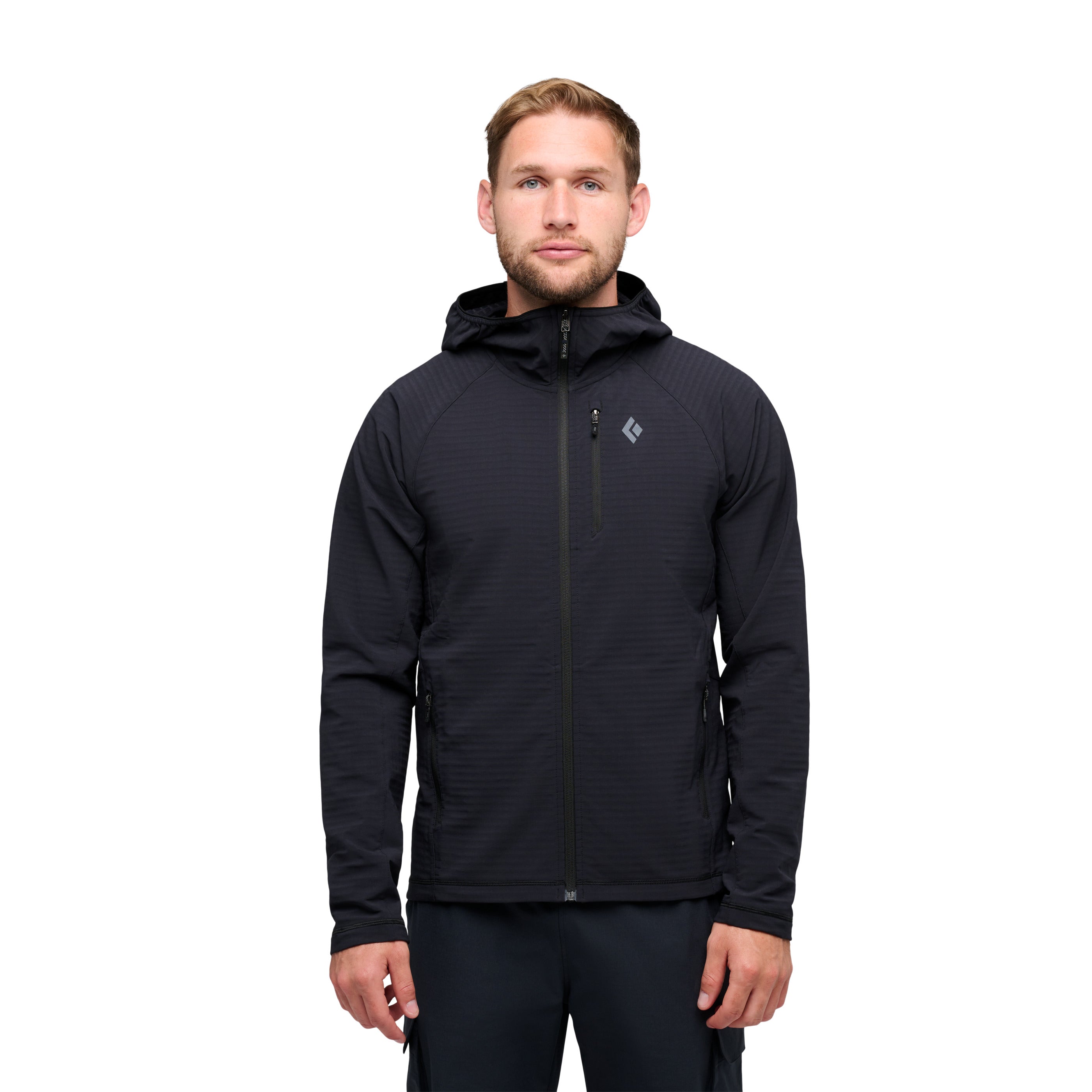
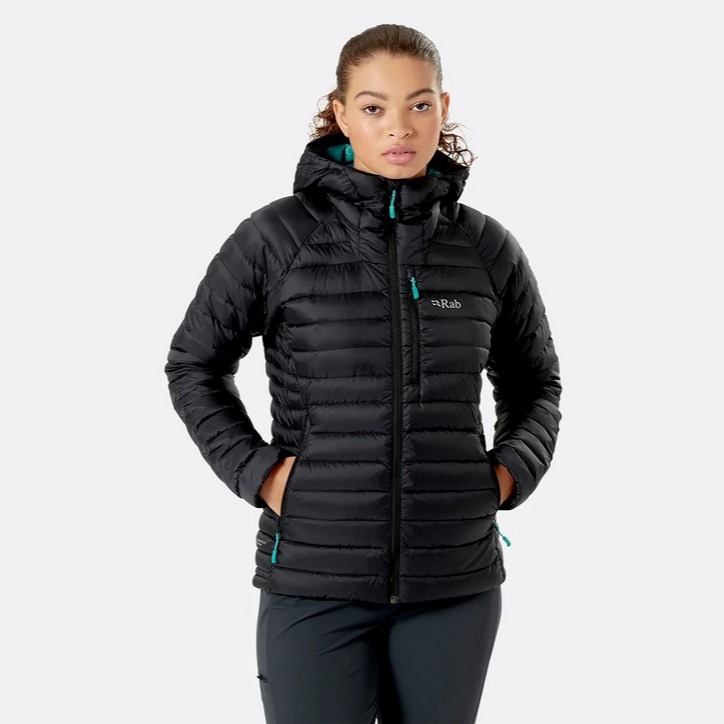
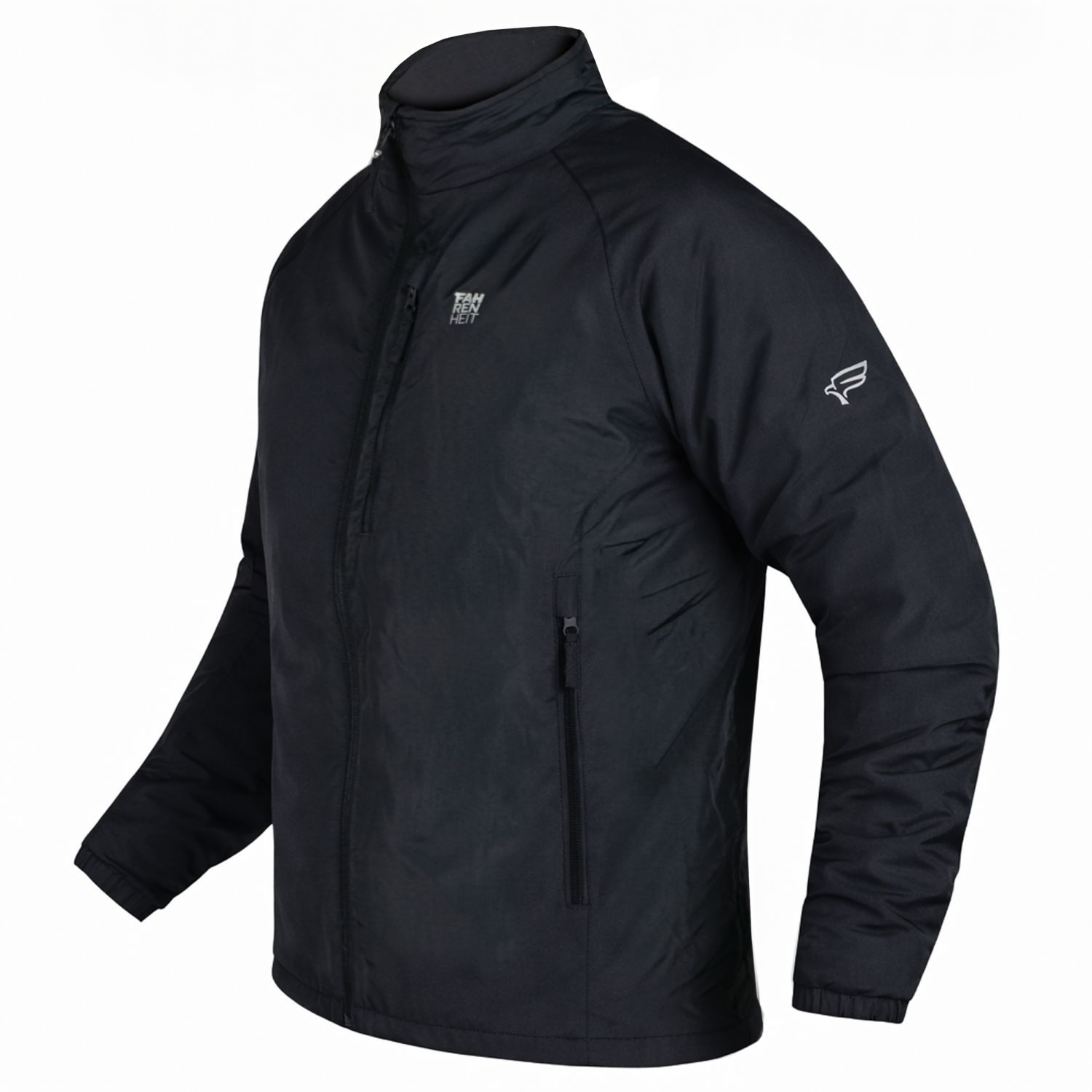
A fleece for early-morning walking and evenings. A down jacket is the key item of the high mountains: you put it on at rest stops, in the lodge dining room (the stove is only lit in the evening, and the best seats next to it are defended like a summit) and on the pass. For −10…−15 °C you want a proper hooded down jacket, with a light down or synthetic layer to complement it on the move. Insulated or fleece trousers save the day on dawn starts and in the evenings.
-
 8 234 UAH
-
 3 915 UAH
-
 2 699 UAH
-
 7 682 UAH
-
 13 229 UAH
-
 18 216 UAH
-
 13 248 UAH
-
 21 840 UAH
-
 6 750 UAH
-
 8 574 UAH
-
 1 485 UAH
Shell and trousers
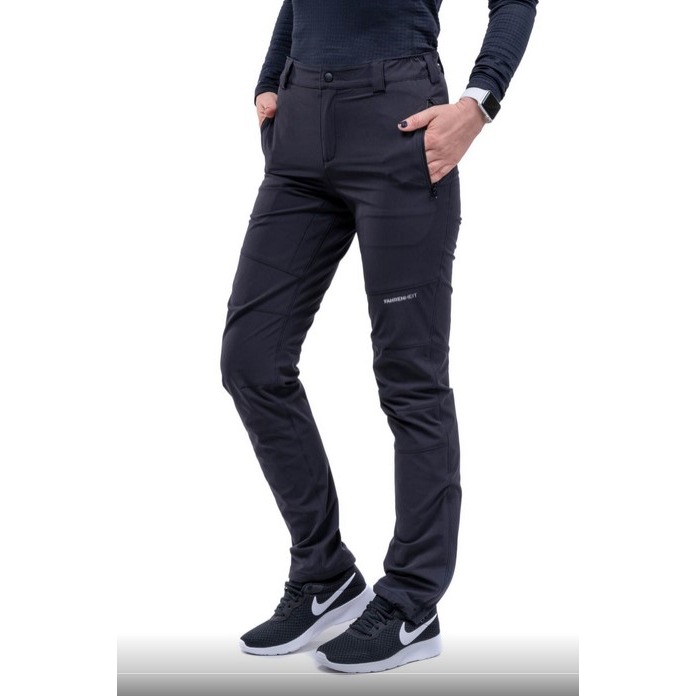
In the dry season your waterproof may spend the whole week in the rucksack, smugly unused — but you must bring it: steady rain lower down or snow on the pass will soak a fleece within the hour. Add walking trousers that are quick-drying, stretchy and have a zipped pocket. In those plus thermals you will cover most of the route.
-
 6 527 UAH
-
 6 210 UAH
-
 6 408 UAH
-
 8 878 UAH
-
 11 700 UAH
-
 2 898 UAH
-
 6 508 UAH
-
 6 026 UAH
-
 4 600 UAH
-
 9 282 UAH
-
 3 375 UAH
Head, hands, feet
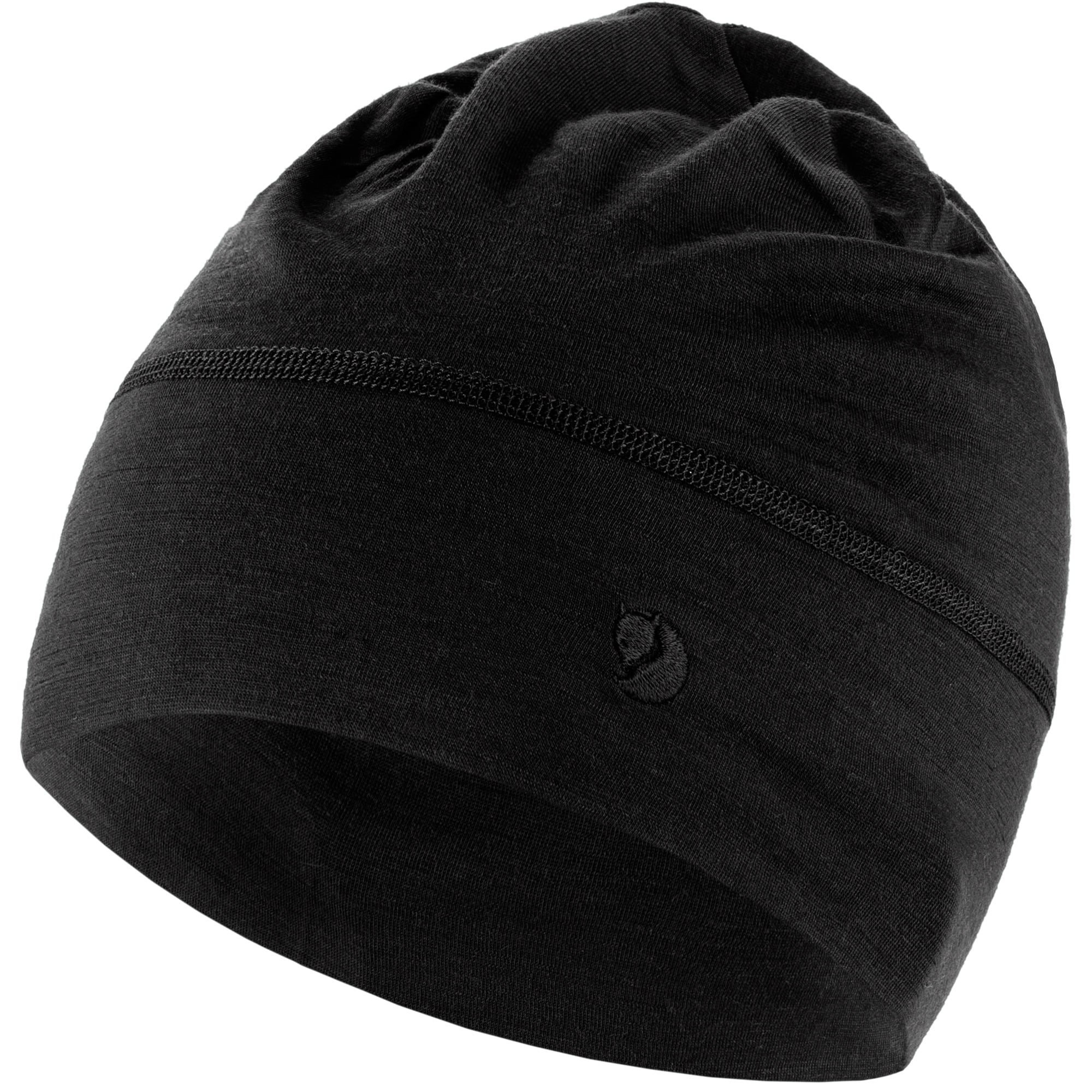
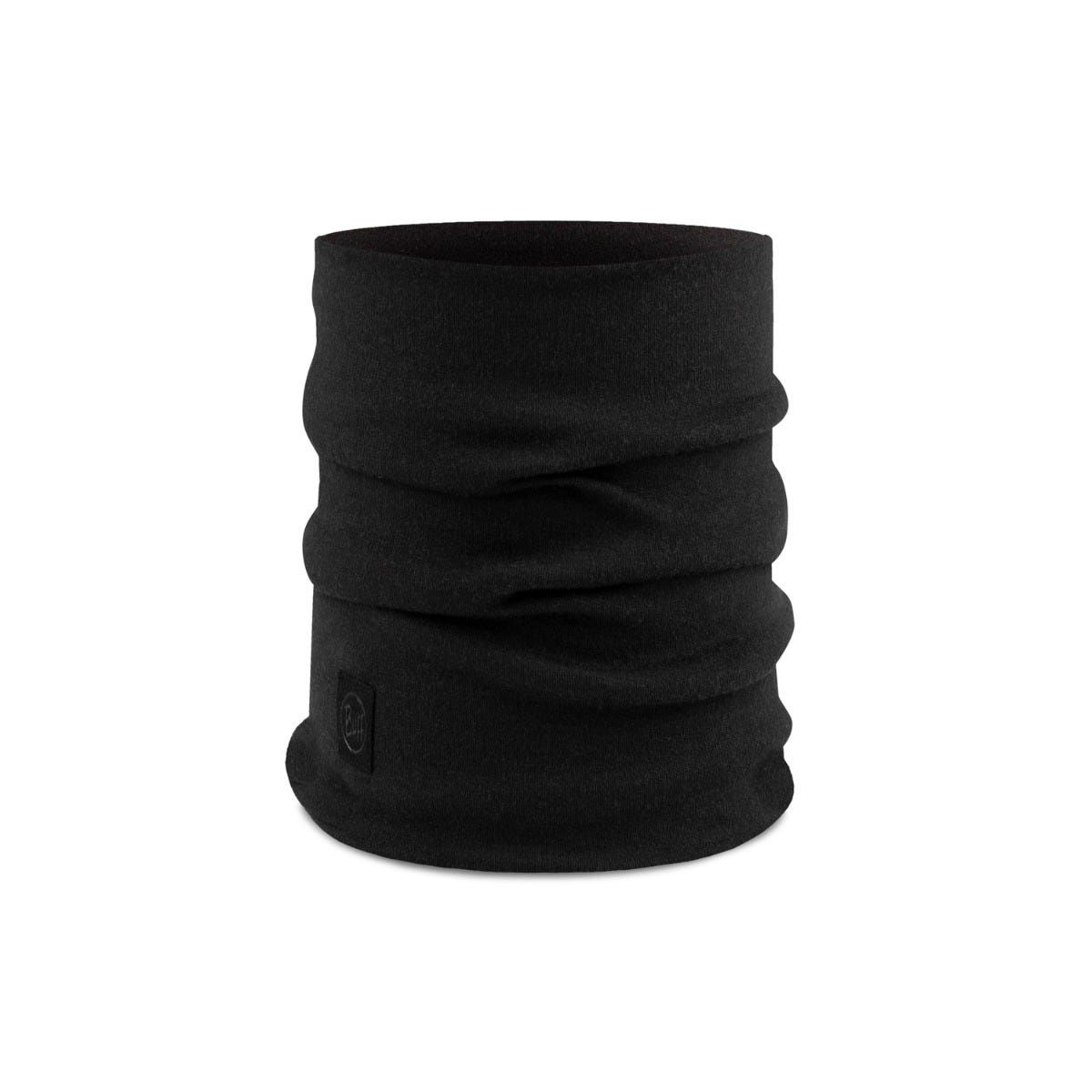
- A warm hat and a neck gaiter — the gaiter keeps dust and cold air off your face; that air is behind the famous “Khumbu cough”, a souvenir nobody wants.
- Two pairs of gloves: thin ones (ideally touchscreen-friendly) and warm mittens for the pass.
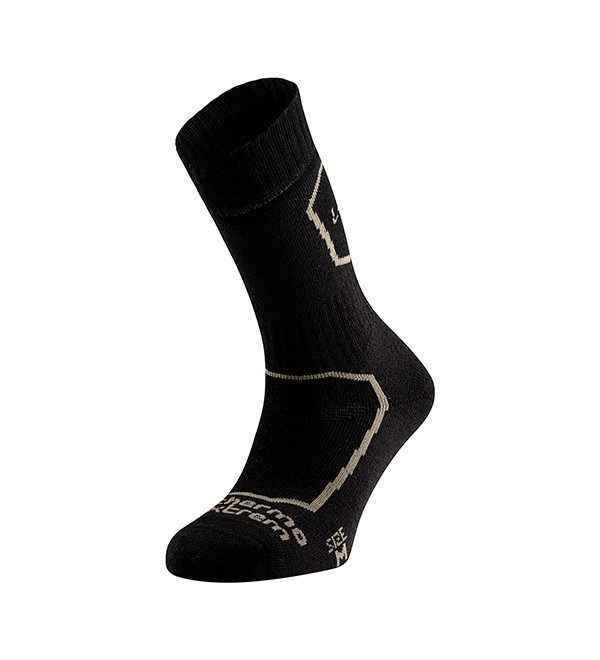
- Socks in wool or synthetic, 3–4 pairs plus a separate warm pair for sleeping. No cotton. Ever.
-
 1 872 UAH
-
 1 638 UAH
-
 1 430 UAH
-
 1 840 UAH
-
 1 794 UAH
-
 5 520 UAH
-
 3 128 UAH
-
 910 UAH
-
 1 346 UAH
-
 944 UAH
-
 1 170 UAH
-
 495 UAH
Sun and sunglasses
UV levels rise by roughly 10 % with every 1000 m of altitude, and fresh snow reflects up to 80 % of it back at you. So you need category 4 glasses with side protection (for snow and the pass) — ordinary “city” category 3 lenses are not enough up there. Add SPF 50 sun cream and an SPF lip balm: ears, noses and lips burn even under cloud, and a peeling nose is the least flattering trekking trophy there is. A sun hat or cap with neck protection is handy lower down.
-
 6 900 UAH
-
 6 348 UAH
-
 5 290 UAH
-
 6 624 UAH
-
 2 080 UAH
-
 2 600 UAH
-
 552 UAH
-
 782 UAH
-
 644 UAH
🥾 Footwear and poles
Trails in Nepal mean thousands of stone steps, dust, scree and sometimes ice on the pass. Somebody counted the steps once and has not been the same since. The best choice is over-the-ankle trekking boots with a stiff sole and a good tread, broken in well beforehand. Heavy mountaineering boots are not needed on the standard routes in season. Trail shoes are only for the very experienced with a light pack: on the scree of Kala Patthar and the descent from Thorong La, your feet need protection.
- Half a size of room — on long descents your toes hit the front of the boot, and a thick sock needs space too.
- Sandals or light slippers for the lodge, the shower and evening strolls round the village: your feet deserve time off from boots.
- Trekking poles take the load off your knees on the endless steps. Lever locks are the easiest to adjust on the move, even in gloves.
-
 9 984 UAH
-
 11 357 UAH
-
 10 028 UAH
-
 13 260 UAH
-
 7 199 UAH
-
 5 929 UAH
-
 3 297 UAH
-
 3 818 UAH
-
 5 152 UAH
-
 5 520 UAH
-
 3 399 UAH
-
 3 588 UAH
💧 Water without plastic
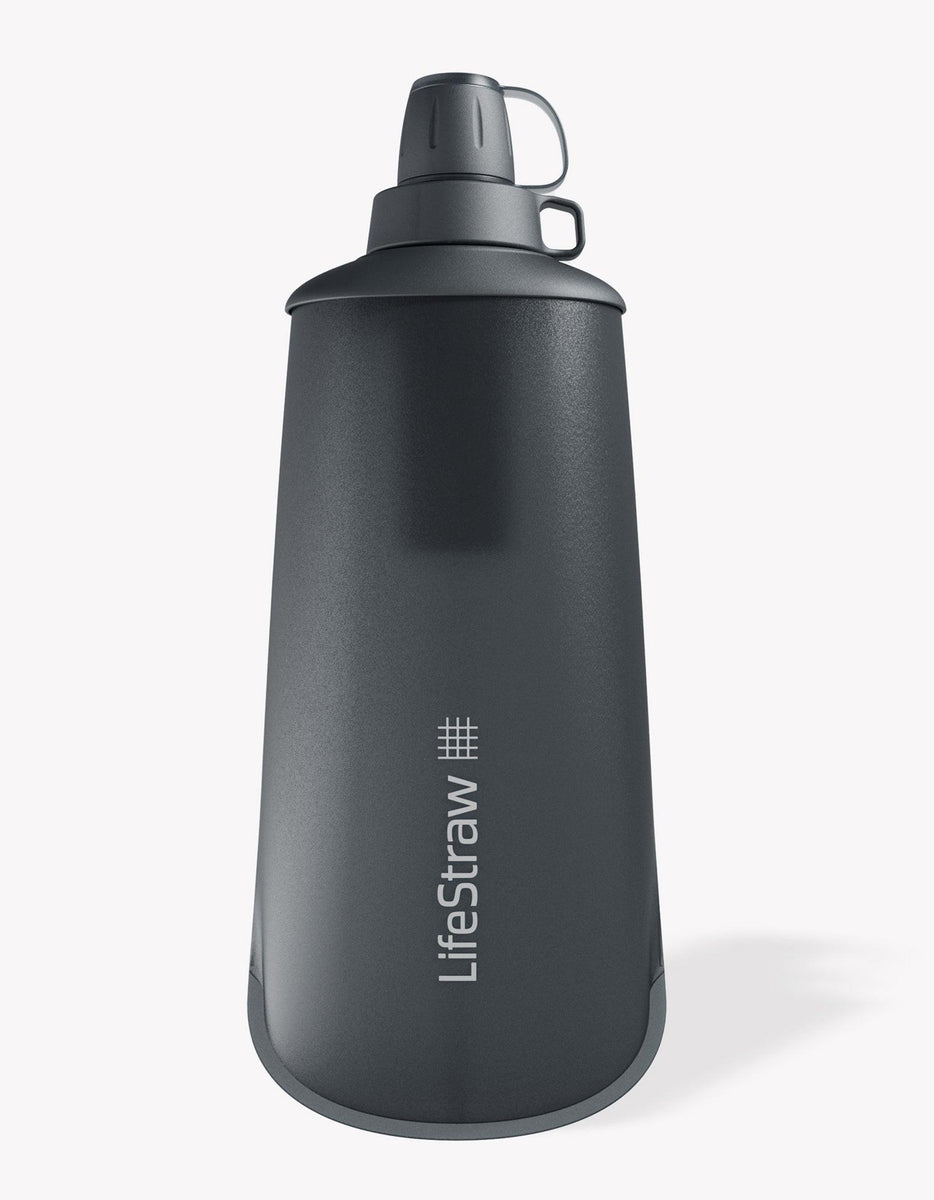
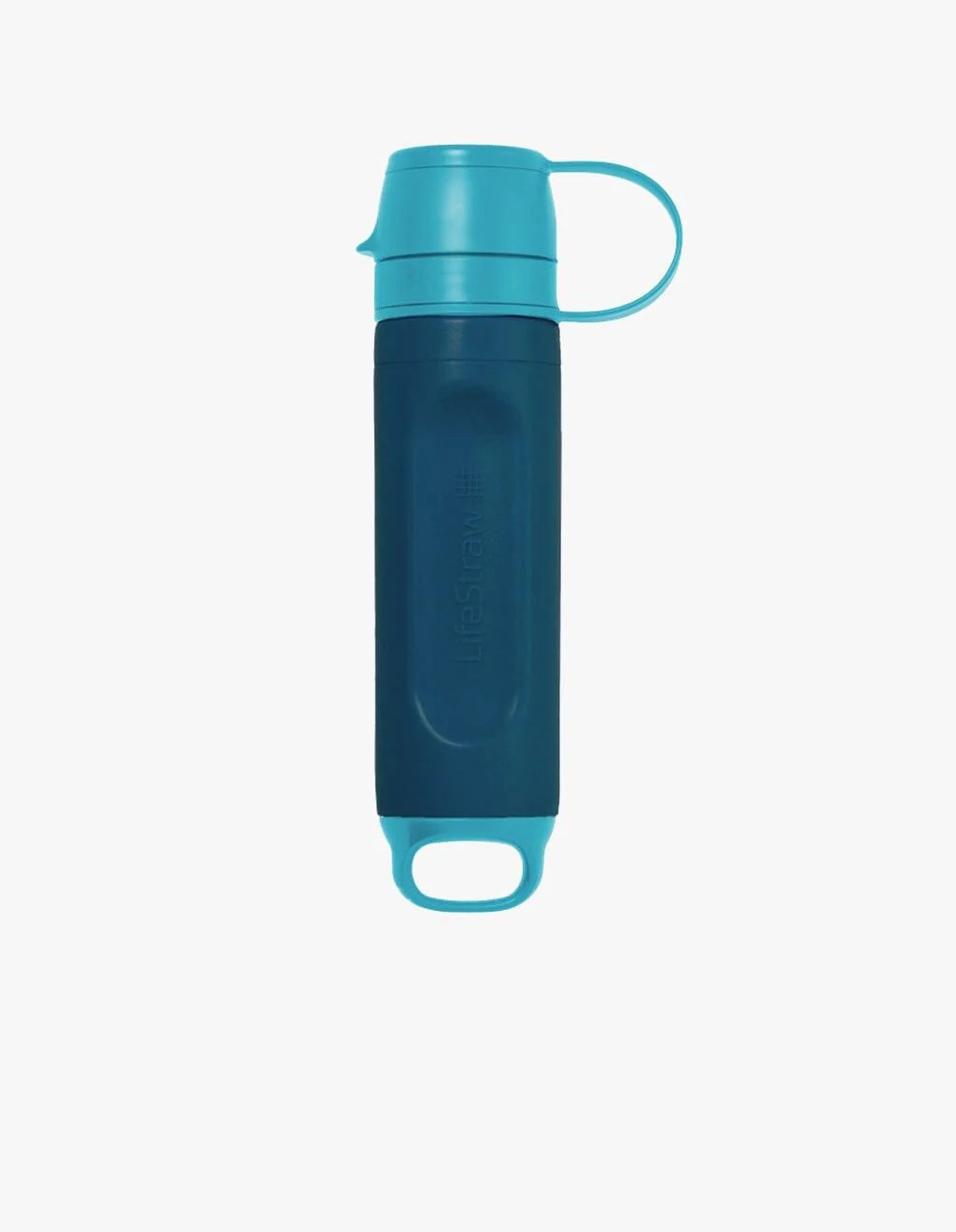
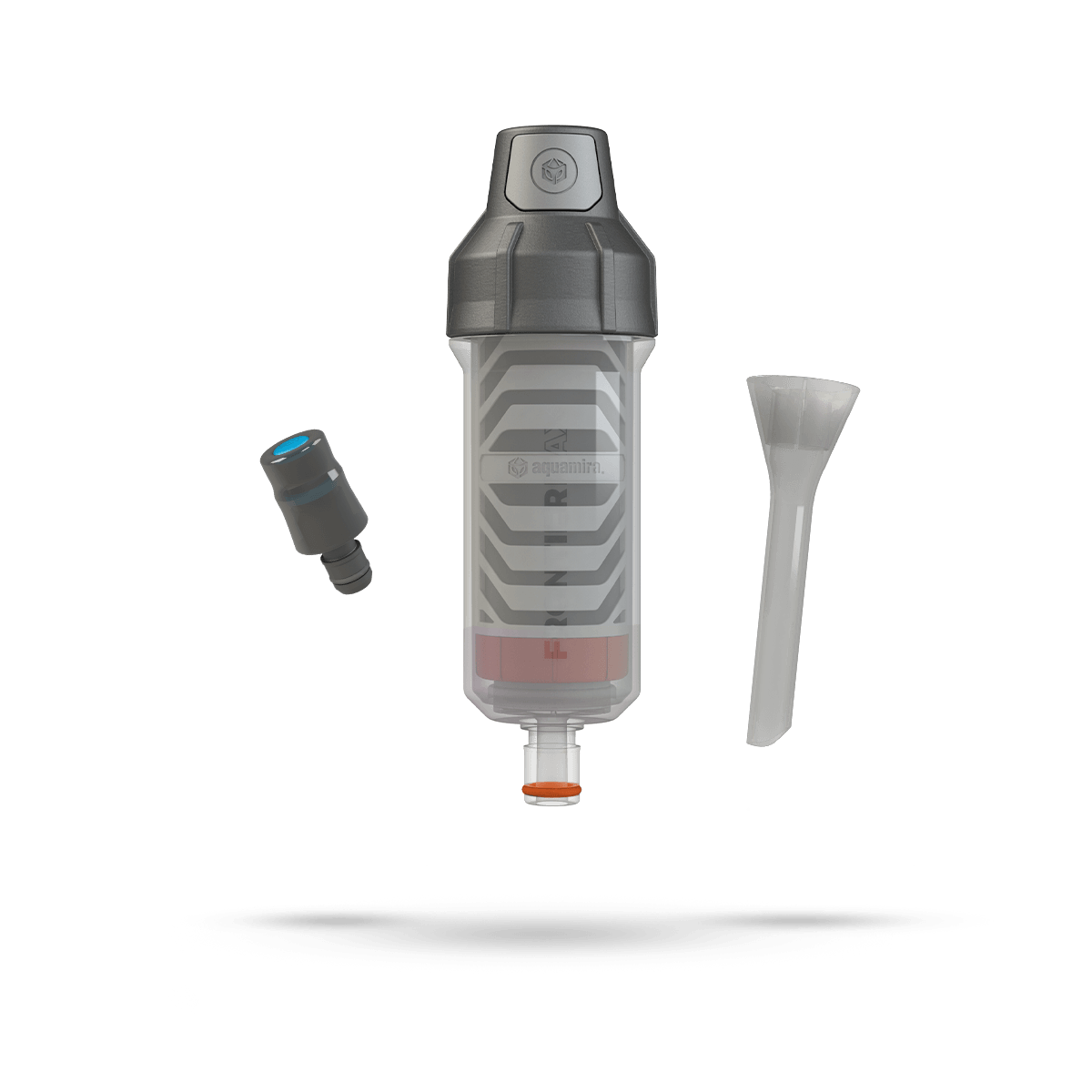
Khumbu has banned plastic bottles and thin plastic bags since 2020: at altitude there is nowhere for plastic to go, and for years it was carried down on people’s backs. Bottled water on the trek is expensive, while water from taps and streams may be contaminated — yaks graze upstream, and lodge toilets are not always far from the stream. The solution is your own bottle plus a filter or tablets. In many lodges you can top up with boiled or filtered water for a small fee.
- A filter (hollow-fibre) removes bacteria and protozoa. Keep it warm at night: if the water in the fibres freezes, the filter can be ruined — sleep with it, like a slightly damp teddy bear.
- Tablets are the back-up and also deal with viruses. They do not mind frost, but they need time.
- A 0.7–1 litre flask — hot tea at 5 a.m. on the pass is worth more than any pot of tea in a lodge.
- Drink enough — aim for 3–4 litres a day: at altitude you lose moisture with every breath, and dehydration makes you feel worse and produces symptoms easily mistaken for altitude sickness.
-
 2 340 UAH
-
 1 664 UAH
-
 3 368 UAH
-
 276 UAH
-
 250 UAH
-
 707 UAH
-
 1 158 UAH
-
 2 230 UAH
-
 1 157 UAH
-
 1 065 UAH
🩺 First aid and insurance
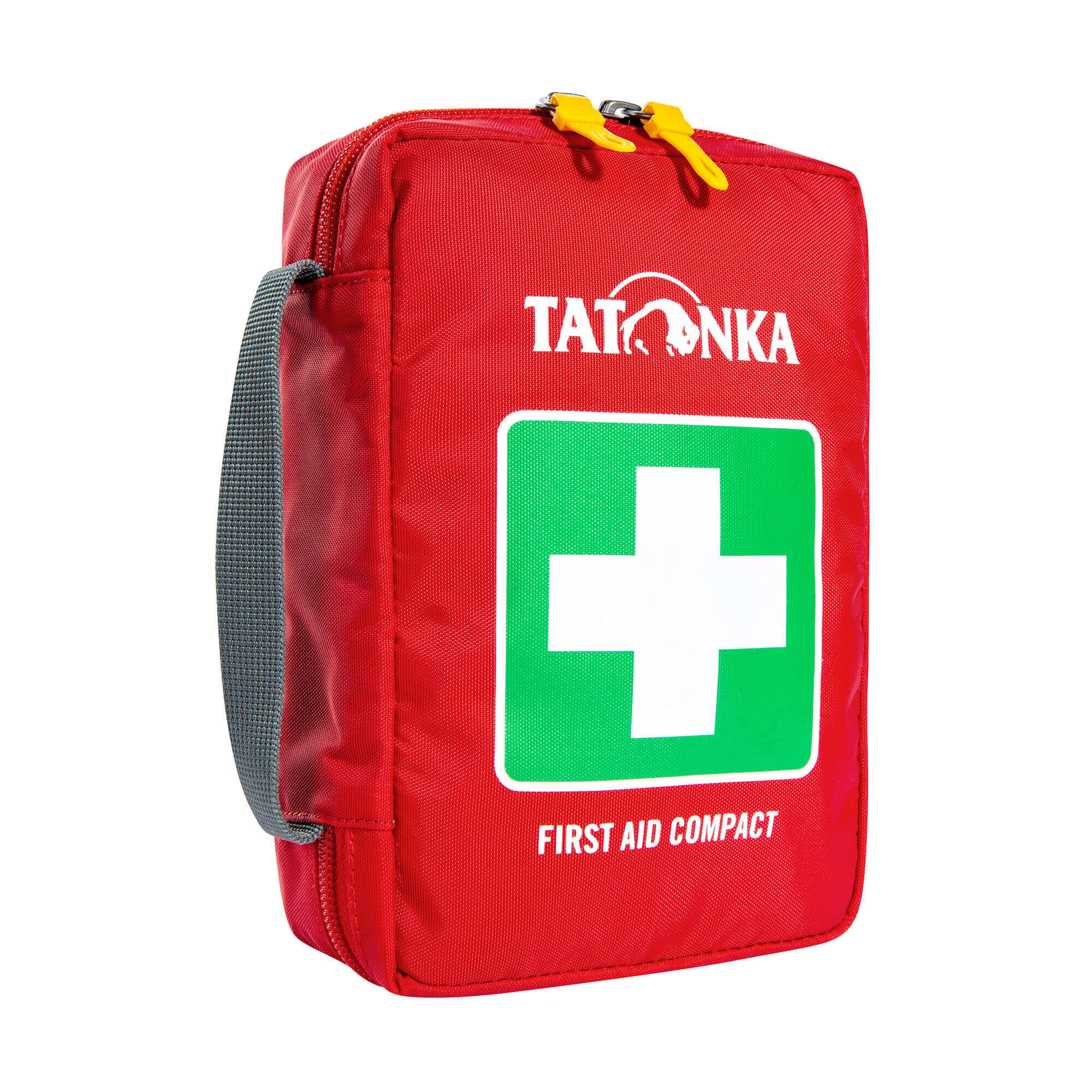
The nearest hospital is several days’ walk away, so a first-aid kit matters more here than on a weekend hike: something for upset stomachs, for colds and coughs, painkillers, blister plasters, antiseptic and your personal medication. Altitude-sickness drugs — only after talking to a doctor. Wet wipes and hand sanitiser do more against tummy trouble than any pill, and they are considerably cheaper than a missed pass.
-
 3 380 UAH
-
 1 380 UAH
-
 1 820 UAH
-
 920 UAH
-
 30 UAH
-
 36 UAH
-
 2 760 UAH
-
 1 104 UAH
-
 2 116 UAH
-
 401 UAH
-
 828 UAH
-
 520 UAH
💡 Final tips
- Do not rush. Spare days for the weather, Lukla and how you feel are the most useful “item” on this list — and they weigh nothing.
- Cash in rupees. There are ATMs in Namche and the larger villages, but higher up count on cash only: charging, showers, hot water and Wi‑Fi all cost money.
- Train beforehand: for 2–3 months, long walks with a pack and plenty of stairs going down. Your knees will send a thank-you note.
- Respect local customs: pass stupas and mani stones clockwise, and give way to yaks on the uphill side of the trail, not the drop side. The yak will not apologise.
- Listen to your body and your guide. The summit or the pass is not going anywhere, and turning back in time is also a success.